When you search for immune supplements, the category can look much simpler than it really is. Vitamin C, medicinal mushrooms, antioxidant formulas and broader nutrition products can all appear under the same “immune support” umbrella, even though they are supported by very different kinds of evidence.
The useful decision is not to look for the product that sounds like the strongest “immune booster”. It is to understand which formula type matches the role you actually want and how much confidence the current evidence gives you.
Start from the route: are you looking for a nutrient-led formula with authorised claim language, a mushroom-based botanical route, a broader antioxidant formula, or simply stronger everyday nutrition? Once the route is clear, the product comparison becomes much easier.
For an Etna-specific antioxidant and micronutrient formula, continue with the OxyPlus Etna Wellness guide. For a separate nutrient-formula example with detailed daily amounts, see the AC Plus ingredients guide.
Why “immune support” is not one single product category
Many products sit next to each other because they are marketed around the same broad idea, but that does not mean they should inherit the same claims.
A vitamin-C formula can be compared using exact nutrient amounts and authorised claim conditions. A mushroom formula needs a different comparison: species, extract, standardisation and dose. An antioxidant blend may need to be read primarily through its nutrient composition rather than through broad marketing language.
This distinction matters because it changes the buying question from “which one is strongest?” to “which type of evidence fits the type of formula I am considering?”
Four routes worth separating before you choose
| Formula route | What gives it value | What to compare |
|---|---|---|
| Vitamin / mineral | Clear nutrient identity and, where conditions are met, authorised normal-function claims. | Exact nutrient amount, daily serving and claim conditions. |
| Mushroom / botanical | A specific extract-based route with its own quality criteria. | Species, fruiting body/sporophore, extract type, standardisation and daily dose. |
| Antioxidant-oriented | A broader formula that may combine several nutrients and botanicals. | Exact formula, qualifying nutrients and which claims are actually authorised. |
| Nutrition-led | A broader daily nutrition route rather than a narrow single-ingredient supplement. | Protein, vitamins, minerals, serving structure and how the product fits the rest of the diet. |
Vitamin C: the clearest route when you want claim transparency
Vitamin C is one of the easiest examples of why formula type matters. Where the relevant conditions of use are met, vitamin C can use authorised normal-function wording within the Great Britain claims framework.
That gives a nutrient-led formula a practical advantage in comparison: the label can be evaluated against a defined standard rather than against vague “immune boosting” language.
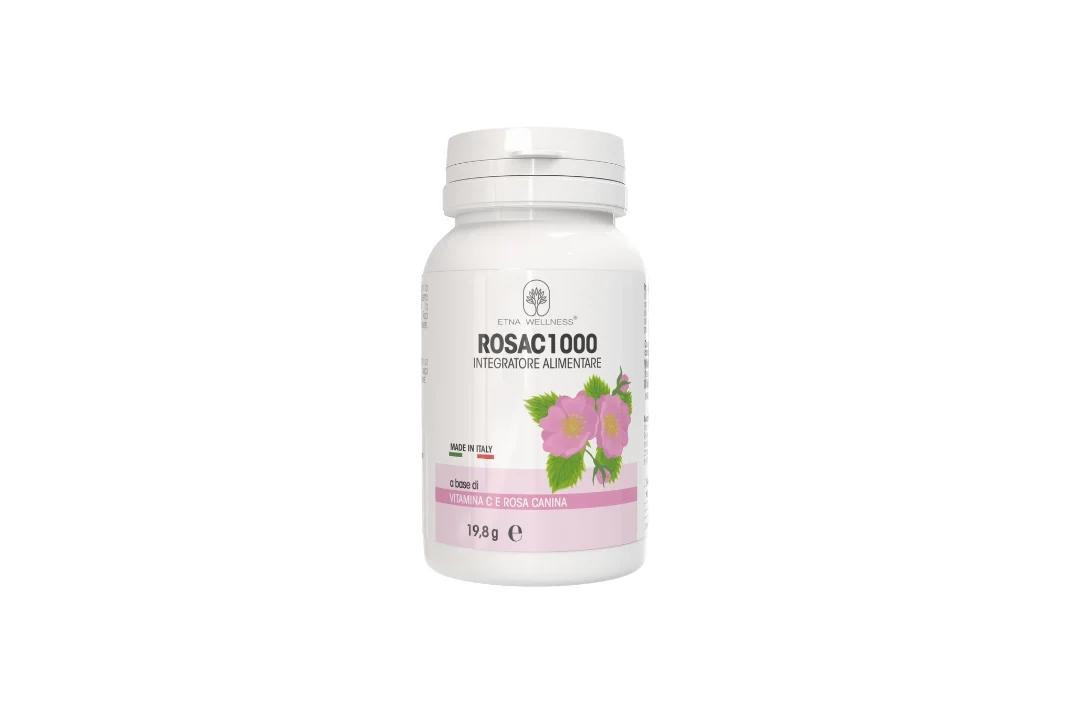
In the current ETNA.COM source set, Rosa C1000 is the vitamin-C-focused branch. Existing project material identifies it as a vitamin-C-led product, but exact English-market quantitative details remain gated until a direct current English technical source confirms them.
So the value proposition is already clear at category level: Rosa C1000 belongs in the nutrient-led route, where label amount and authorised wording matter most.
Reishi Puro: a different decision because the formula class is different
Reishi Puro belongs to the mushroom route, not the vitamin route.
Current project technical material identifies Ganoderma lucidum sporophore extract with declared polysaccharide standardisation. That makes the useful comparison about the mushroom source, extract and standardisation rather than about borrowing a vitamin-C claim.
This is an important value distinction: a mushroom formula can be attractive because of its specific extract architecture, but that does not mean it should be described with the same evidence language as a qualifying vitamin formula.
OxyPlus: when a broader antioxidant formula changes the comparison
OxyPlus sits in the broader antioxidant-oriented branch.
Project source material describes a formula involving vitamins A, C and E, selenium and a botanical component, but the current English source lock is not yet strong enough to support broader finished-product claims.
That means the useful comparison is structural: OxyPlus is a broader formula than a single nutrient or single mushroom product. Its value should be judged from the exact composition and qualifying nutrient claims once those are directly confirmed in the current English source set.
Keep Shake Plus in the nutrition route
Shake Plus already has its own protected product owner and should not be pulled into this page as if it were just another “immune supplement”.
Its role is broader nutrition. If the reader’s real need is meal structure, protein, vitamins and minerals within a daily nutrition routine, that should remain a separate path.
This separation protects the usefulness of both articles: the Immune Supplements page helps you choose a formula class, while the Shake Plus owner explains the product itself.
How ethical upselling should work here
The wrong approach would be to turn “immune support” into a stack of vitamin C + Reishi + OxyPlus + Shake Plus by default.
The better approach is to ask whether there is one need or more than one.
If the reader simply wants a nutrient-led immune-support route, a qualifying vitamin formula may already be enough. If they specifically want a mushroom-based routine, that is a different choice. A broader antioxidant or nutrition product should only be added when it answers another clearly identified need.
That is how upselling becomes useful rather than mechanical: each additional product needs its own reason to be there.
Why “more ingredients” is not the same as “more immune support”
A larger ingredient list can look more complete, but completeness depends on the purpose.
If your priority is claim transparency, a simple nutrient formula may actually be easier to assess. If your priority is a specific mushroom extract, a focused botanical formula may make more sense. If you deliberately want a broader multi-nutrient formula, then the added complexity can create more value.
The useful question is not how many ingredients are present. It is whether every major ingredient makes the formula more coherent for the need you started with.
Picture the routine before you decide
Imagine the product already sitting in your daily routine three weeks from now. Do you know why you are taking it? Can you explain whether it is nutrient-led, mushroom-led, antioxidant-oriented or part of broader nutrition?
If the answer is yes, the formula is starting to make sense beyond the marketing.
That is where perceived value becomes stronger: the product feels relevant because you understand its role, not because the label sounds dramatic.
A six-question fit check
- What kind of formula do I actually want? Nutrient, mushroom, antioxidant or broader nutrition?
- What exact ingredients are driving my decision?
- Are the key amounts directly confirmed on the current label?
- Is the health wording authorised for this exact nutrient and serving?
- Would a second product answer a genuinely different need?
- Can I picture this routine staying simple enough to follow?
When those answers are clear, the choice becomes easier to trust and easier to explain.
Choose the formula route before you choose the product
If you are still deciding whether your need is nutrient-led, mushroom-led, antioxidant-oriented or part of a broader nutrition routine, start from the needs guide. If the route is already clear, ask for help comparing the current formulas. Then create customer access and verify the present product, format, price and availability before deciding whether to order.
Ask for help comparing immune-support formulas
Create customer access & check current formulas
Creating customer access does not place an order. On mobile, scroll down on the registration page, complete your customer details, enter the shop and verify the current product, formula, format, price and availability before ordering.
Frequently asked questions
Are all immune supplements supported by the same evidence?
No. Nutrient claims, mushroom evidence and broader antioxidant formulas belong to different evidence classes and should be compared separately.
Does vitamin C automatically justify any immune claim?
No. The exact product must meet the relevant conditions of use and use authorised wording correctly.
Is Reishi Puro the same type of product as Rosa C1000?
No. Reishi Puro belongs to the mushroom/botanical route, while Rosa C1000 belongs to the nutrient-led vitamin-C route.
Should several immune-support products automatically be combined?
No. A combination only makes sense when each product answers a separate, clearly identified need.
Bottom line
The useful immune-supplement decision is not “which formula sounds like the strongest booster?” but “which evidence class and formula type match what I actually want?” Keep vitamin claims, mushroom evidence, antioxidant formulas and broader nutrition in their own lanes, then choose the simplest route that gives you a clear reason to buy.
A few useful notes before you choose
Immune-support language can become exaggerated very quickly online, so a reassuring way to compare products is to stay close to the current label and the evidence class behind the formula.
For Great Britain, commercial supplement communication should remain within the authorised nutrition and health claims framework. In practical terms, that means qualifying nutrients can use authorised normal-function wording when conditions are met, while products should not be presented as preventing or treating colds, flu or other infections.
As a simple final check, follow the current label for the specific product you choose. If pregnancy, breastfeeding, regular medicines, allergies or an existing condition are relevant to you, checking suitability with an appropriate healthcare professional can add confidence.
Sources and verification
This draft follows the current ETNA.COM immune-support owner map. Rosa C1000 remains the vitamin-C branch; Reishi Puro remains the mushroom branch; OxyPlus remains the broader antioxidant branch; Shake Plus remains a separate protected nutrition owner. Exact English-market Rosa C1000, Reishi Puro and OxyPlus quantities and finished-product claims remain gated until direct current English technical sources are closed. No infection-prevention or disease-treatment claim is adopted.