Probiotics and digestive enzymes are often sold in the same digestive-wellbeing section, but they are not interchangeable. Probiotics are live microorganisms used in certain foods and supplements. Digestive enzymes are proteins that break down components of food during digestion.
That difference changes what you should look for on the label and prevents a common mistake: assuming that a longer “gut health” ingredient list automatically means a better product.
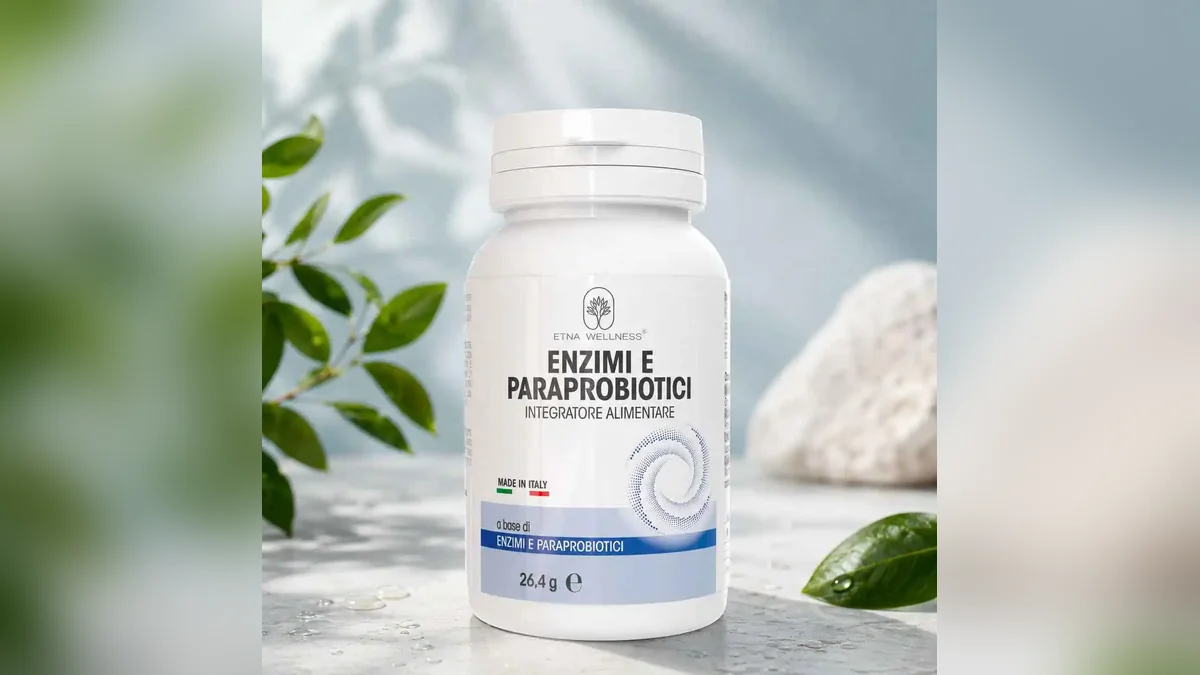
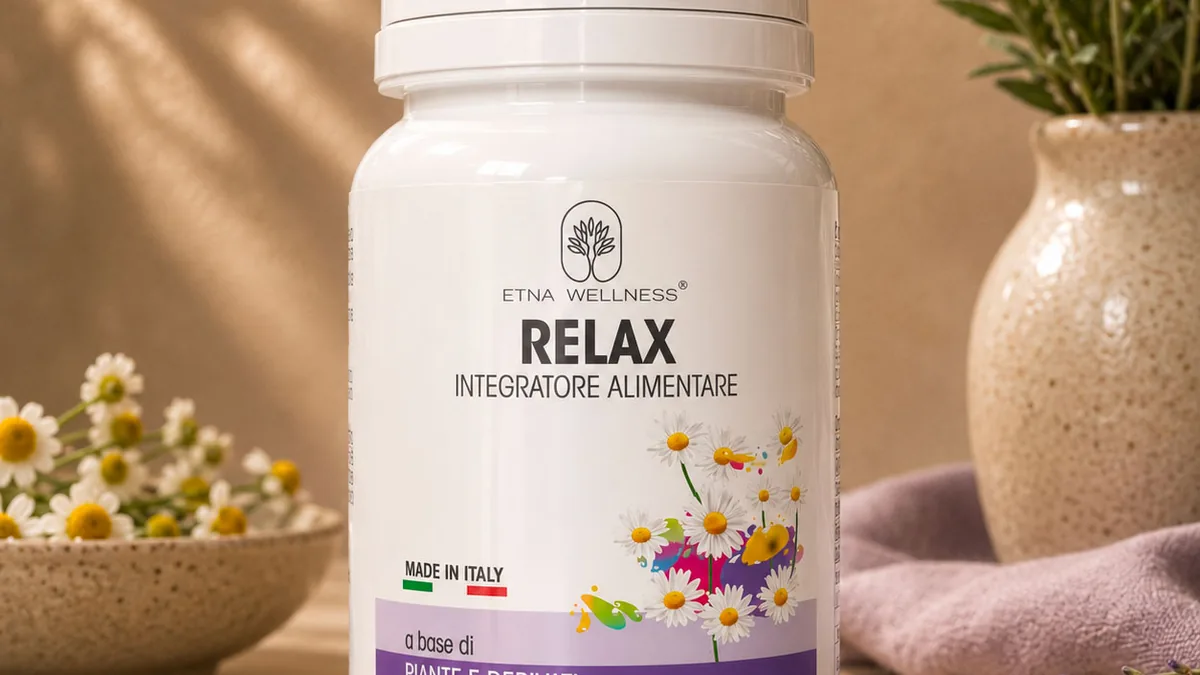
Probiotics and digestive enzymes describe different formula roles; the label should identify what is actually present. — www.etnawellnesselitegroup.com
What are probiotics?
The National Center for Complementary and Integrative Health defines probiotics as live microorganisms intended to have health benefits when consumed or applied to the body. Different organisms and strains can have different effects, so the word “probiotic” alone is not enough to predict an outcome.
When a supplement contains probiotics, useful label details include the organism or strain identification, amount or count where declared, storage requirements and the intended use.
What are digestive enzymes?
Digestive enzymes help break down food components. The body produces enzymes naturally, including through the pancreas. Enzyme supplements may contain enzymes that act on proteins, carbohydrates, fats or specific food components.
For enzyme products, activity units can matter more than simply comparing milligrams. Use the dedicated Digestive Enzymes guide for that distinction.
Probiotics and enzymes answer different questions
Feature
Probiotics
Digestive enzymes
What they are
Live microorganisms
Proteins that catalyse digestive reactions
Label focus
Organism/strain, count, storage
Enzyme type, activity units, serving
Primary comparison question
Which microorganism and evidence?
Which substrate and activity?
Not automatically interchangeable with
Prebiotics, fibre or enzymes
Probiotics or fibre
Can one formula contain both?
Yes. A multi-ingredient digestive supplement can combine enzymes with probiotic or paraprobiotic components. That does not mean the combined formula is automatically superior. Each component should still be evaluated according to its own declared amount, role and evidence.
What about fibre?
Fibre belongs to another category again. If your question is enzyme support versus fibre-led regularity or stool-bulk support, use Digestive Enzymes vs Fibre. Keeping these three categories separate makes the internal decision path much clearer.
Do probiotics work the same for everyone?
No. NCCIH notes that different probiotic types may have different effects and that evidence varies by condition, strain and population. Strong evidence is lacking for many marketed uses. People who are seriously ill or immunocompromised may face greater risks and should obtain professional guidance.
When are prescription enzymes different?
People with diagnosed pancreatic conditions may be prescribed pancreatic enzyme replacement. That is a medical treatment context and should not be confused with choosing an ordinary over-the-counter digestive supplement.
How to compare a digestive formula
Identify whether the main role is enzyme, probiotic, fibre or a blend.
Check enzyme names and activity units where available.
Check probiotic organism or strain information where relevant.
Read the full serving instructions.
Do not infer treatment of digestive disease from a food-supplement label.
Seek assessment for persistent pain, unexplained weight loss, blood in stool or other concerning symptoms.
Strain identity and enzyme activity answer different label questions
For a probiotic, useful label information includes the microorganism identity, strain where provided, the amount declared at the relevant point in shelf life and the storage conditions. For an enzyme product, the meaningful questions are different: which enzymes are included, what substrates they act on, how activity is expressed and what serving the manufacturer recommends.
That is why a large number on one type of product cannot be compared directly with a large number on the other. Colony-forming units, cell counts and enzyme-activity units do not describe the same thing.
Symptoms can change the decision pathway
Occasional digestive discomfort is not the same as persistent pain, unexplained weight loss, blood in the stool, recurrent vomiting or a major change in bowel habit. Ongoing or concerning symptoms need appropriate medical assessment rather than a trial-and-error supplement comparison.
For everyday product research, stay with the label: formula role, declared ingredients, serving, warnings and evidence boundaries. That keeps the comparison useful without turning probiotics or enzymes into a self-diagnosis tool.
Etna Wellness routing
The ETNA.COM digestive cluster already separates enzyme-led comparison from fibre-led comparison. Start with Digestive Enzyme Supplements: What to Look For when evaluating a finished enzyme formula, or Super Fibre when your question is specifically fibre-led.
Keep the digestive decision simple
First decide whether your question is about probiotics, digestive enzymes, fibre or persistent symptoms that need assessment. Once the role is clear, the relevant comparison becomes much easier.
Magnesium for sleep supplements have become highly visible online, but the search phrase can make the evidence sound more certain than it is. Magnesium is an essential mineral, yet that does not automatically mean that taking more magnesium improves sleep in every person.
A better buying decision starts with four questions: which magnesium form is used, how much elemental magnesium is supplied, what else is in the formula, and what does the evidence actually support?
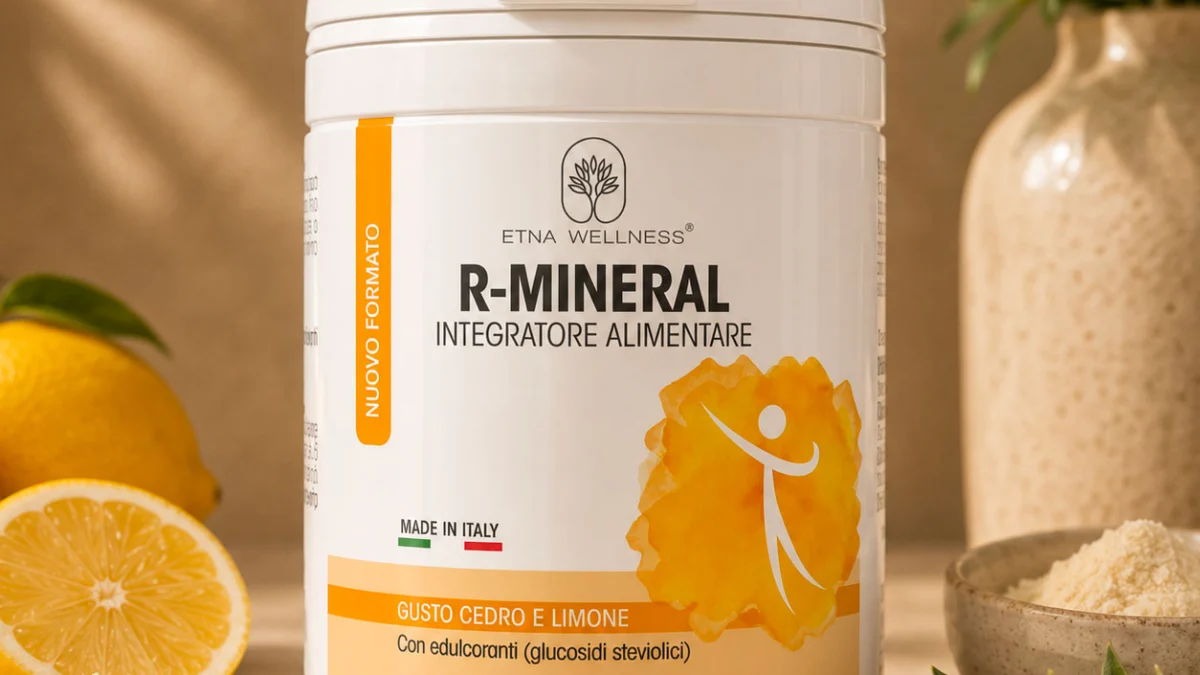
A magnesium-containing formula can be compared by form and elemental amount without treating magnesium as a proven insomnia treatment. — www.etnawellnesselitegroup.com
Does magnesium help you sleep? Keep the evidence in perspective
The US National Center for Complementary and Integrative Health notes that research on magnesium supplements for insomnia and sleep disorders is limited. Reviews have reported mixed or low-quality findings, so a magnesium supplement should not be presented as a proven treatment for insomnia.
That distinction matters because a mineral can have established nutritional functions without automatically having a proven therapeutic effect on sleep.
Which magnesium is best for sleep? Check the form first
Labels may list magnesium citrate, glycinate, oxide or other forms. The form tells you which compound supplies the magnesium, but it does not by itself prove that one product will produce a better sleep outcome.
When comparing products, avoid choosing solely from claims such as “best absorbed” or “best for sleep” unless the statement is supported by appropriate evidence and the actual dose is clear.
Elemental magnesium is the number that matters
The weight of a magnesium compound is not the same as the amount of magnesium itself. A transparent label should make it possible to identify the actual magnesium amount supplied by the recommended serving.
Compare the recommended daily serving rather than a single capsule if the product requires more than one capsule or scoop.
What else is in the formula?
Some sleep-oriented formulas combine magnesium with melatonin, herbs, amino acids or vitamins. Once that happens, the product is no longer a magnesium-only comparison. Each ingredient has its own evidence, dose and safety considerations.
Magnesium is a mineral. Melatonin is a hormone with a different regulatory status and evidence base. They should not be merged into one generic “sleep ingredient” category.
That difference is especially important for UK readers, where melatonin has a different legal and supply context from ordinary food supplements.
Safety: more is not automatically better
NCCIH notes that high supplemental magnesium intakes can cause gastrointestinal effects such as diarrhoea, nausea and abdominal cramping, and very high intakes can be dangerous. People with medical conditions or those taking medicines should check suitability with a healthcare professional rather than increasing intake based on social-media advice.
Separate a nutrient claim from a sleep-treatment claim
Magnesium has authorised nutritional functions in Europe and Great Britain when the relevant conditions of use are met, but those functions should not be converted into a promise that a magnesium supplement treats insomnia or guarantees deeper sleep.
This distinction is especially important online, where terms such as “sleep magnesium” can make the product category sound more established than the evidence. A careful comparison should report the magnesium form and elemental amount, then discuss the sleep evidence separately and with its limitations.
If sleep difficulty is persistent, the supplement question becomes secondary
Short periods of disrupted sleep can have many causes, from routine and timing to stress, caffeine or travel. Persistent insomnia, significant daytime impairment, loud snoring with breathing pauses, or sleep problems linked to medicines or another health condition deserve appropriate professional assessment.
A supplement comparison can help you read labels more clearly; it cannot determine why someone is sleeping poorly. That boundary protects the decision from becoming an unsupported self-treatment pathway.
How R-Mineral fits the wider Etna Wellness structure
R-Mineral Etna Wellness belongs to a mineral-support context and contains magnesium alongside other minerals and vitamin D. It should not be re-labelled as a dedicated sleep supplement simply because magnesium appears in the formula.
A label-first magnesium comparison
Label check
Why it matters
Magnesium form
Identifies the compound used without assuming that one form automatically guarantees a sleep benefit.
Elemental magnesium
Shows the amount of magnesium actually supplied by the recommended serving.
Serving size
Clarifies how many capsules or scoops are needed to reach the labelled amount.
Other active ingredients
Helps distinguish a magnesium supplement from a broader multi-ingredient sleep formula.
Warnings and medicines
Keeps safety and suitability part of the buying decision rather than an afterthought.
A practical magnesium-for-sleep checklist
Exact magnesium form
Elemental magnesium per recommended serving
Number of capsules or scoops per day
Other active ingredients
Warnings and medicine-use considerations
Whether the product is a magnesium supplement or a multi-ingredient sleep formula
Whether sleep claims go beyond the available evidence
Before you choose magnesium for sleep
Keep the decision label-led: identify the magnesium form, elemental amount, serving and full formula, then separate those facts from claims about sleep outcomes.
There is no single bedtime timing rule that has been proven to make magnesium a reliable sleep treatment. If you use a magnesium supplement, follow the product directions and compare the recommended serving, elemental magnesium amount and full formula rather than assuming that taking it at a particular hour will improve sleep.
How long does magnesium take to work for sleep?
There is no reliable universal time-to-effect for sleep. Research does not support promising that magnesium will work within a set number of minutes, nights or weeks. If sleep difficulty is persistent or affects daytime function, appropriate clinical assessment matters more than extending a supplement trial.
Frequently asked questions
Does magnesium cure insomnia?
No. Current evidence is not strong enough to present magnesium supplements as a proven treatment for insomnia.
Is magnesium glycinate automatically the best form for sleep?
No. Product choice should consider elemental magnesium, serving size, the full formula and evidence rather than relying on one popular form name.
Can I take more magnesium if I cannot sleep?
Do not increase supplemental doses simply for that reason. Follow the label and seek professional advice when sleep problems persist or when medicines or health conditions are involved.
If you are comparing urinary tract supplements, you are probably looking for something more useful than a familiar ingredient name on the front of a bottle. You want to understand what the formula is built around, how it fits a daily routine and whether the product actually matches the reason you started searching.
That distinction is important because cranberry, D-mannose, Aloe-based formulas and men’s prostate products can all appear close together in a wellness range while answering very different needs. A clearer choice begins by separating those routes before choosing the product.
Start with the role: are you looking for a simple urinary-wellness formula, trying to compare cranberry with D-mannose, or actually dealing with a different need such as prostate support or general drainage? Once the role is clear, the label becomes much easier to interpret.
Why the ingredient name alone does not tell you enough
Cranberry is familiar. D-mannose is increasingly familiar. That familiarity can make the buying decision feel almost automatic: if both appear together, the formula must be “complete”.
But a more useful comparison asks what each ingredient contributes to the formula, whether the amounts are clearly declared, how often the product is taken and what evidence exists for the type of outcome you have in mind.
This reframes the choice from “which urinary supplement sounds strongest?” to “which formula is transparent enough for me to understand why I am choosing it?”
Cranberry and D-mannose are not interchangeable
Cranberry is a fruit-derived ingredient used in many urinary-wellness products. D-mannose is a simple sugar used in a different way within supplement formulas. Putting both in the same category does not make them the same ingredient or give them identical evidence.
This matters because the formula can look simple while the decision behind it is more nuanced. A product containing both ingredients may be convenient, but convenience should not replace understanding.
What you are comparing
Why it matters
Useful label check
Cranberry
Evidence varies by population and product preparation.
Exact cranberry preparation, amount and any declared standardisation.
D-mannose
It has its own evidence base and should not borrow claims from cranberry.
Exact daily amount and serving instructions.
Combination formula
Combining ingredients can improve convenience, but not automatically efficacy.
Whether both ingredients are quantified clearly enough to make a meaningful comparison.
What the current evidence means for a conscious choice
Cranberry has a more developed evidence base than many people realise, but the useful conclusion is not “cranberry always prevents UTIs”. A large Cochrane review found evidence of reduced recurrent symptomatic, culture-verified UTIs in some groups, including women with recurrent UTIs, while results were not the same across every population or preparation.
D-mannose should be considered separately. A large UK randomised placebo-controlled trial in women with recurrent UTIs found that daily D-mannose did not reduce the proportion experiencing another medically attended UTI over six months.
This difference is valuable because it prevents the common mistake of treating two popular ingredients as if they had the same strength or type of evidence. A thoughtful purchase does not require dismissing either ingredient; it requires understanding what the evidence can and cannot tell you.
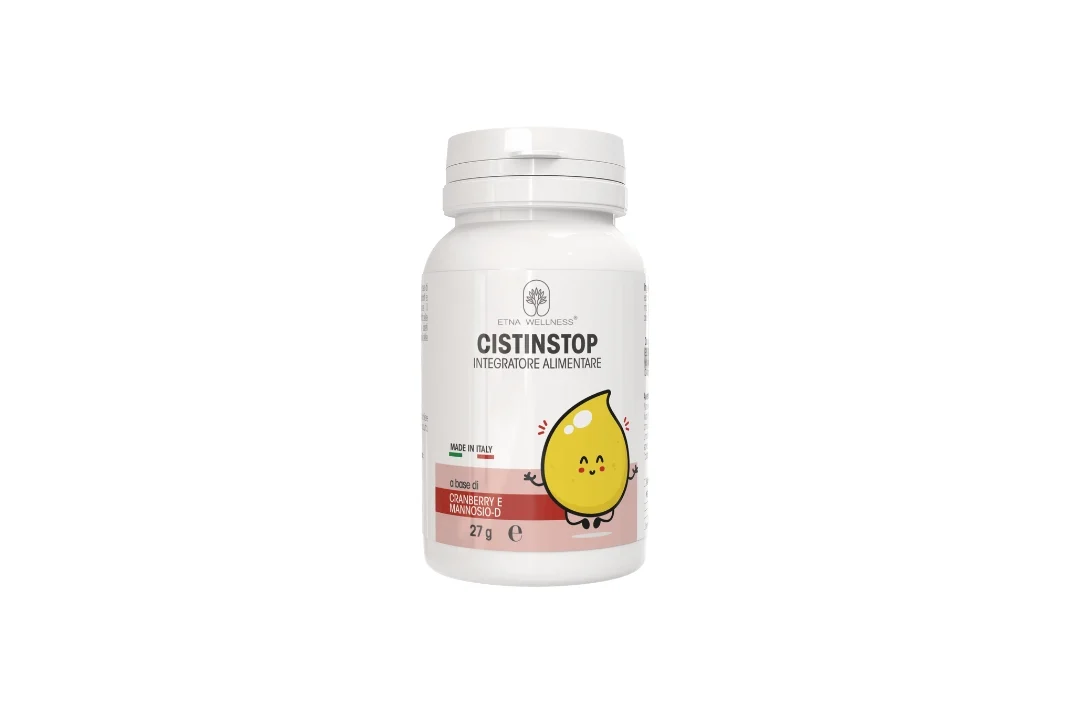
The current English Etna Wellness catalogue identifies CistinStop as a formula containing cranberry and D-mannose. The current catalogue direction is 1 capsule per day with water.
That gives the product a clear role inside the range: it is the most direct urinary-wellness bridge when you specifically want a cranberry + D-mannose combination in a simple capsule routine.
The current source set does not yet give a direct current English technical sheet with the exact cranberry and D-mannose quantities. Those milligram amounts therefore remain intentionally unpublished here rather than being reconstructed from older or secondary material.
This is actually useful for the buying decision. It keeps the value proposition honest: you can understand the formula identity and daily routine now, while the exact quantitative comparison remains something to verify on the current label before purchase.
Why one capsule a day can increase practical value
A simple routine has value when simplicity is part of what you are looking for. One capsule per day is easy to understand and easy to remember compared with a product that requires several servings at different times.
That does not make CistinStop “better” than every other urinary formula. It simply gives it a practical advantage for someone whose priority is a straightforward cranberry + D-mannose route.
Imagine the routine three weeks after purchase rather than on the first day. If you can see yourself taking the product consistently without reorganising your day around it, the formula may already have more practical value for you than a more complicated option.
Keep Aloe Nettle in its own adjacent role
Aloe Nettle sits close to urinary and drainage themes because its formula combines Aloe with nettle, but it should not be presented as a substitute for the direct cranberry + D-mannose route.
The current Aloe Nettle sheet describes 90% Aloe Vera gel, 6.5% honey and 2% nettle extract, with a daily amount of 100 ml divided into two or three servings.
That creates a different decision. CistinStop is a simple capsule formula centred on cranberry + D-mannose; Aloe Nettle is a drinkable Aloe-plus-botanical formula. If the need is specifically urinary-formula comparison, CistinStop remains the clearer direct route. If the desired routine is broader and Aloe-led, Aloe Nettle belongs in that separate comparison.
Keep prostate support separate too
Urinary searches can sometimes overlap with men’s prostate concerns, but they should not be merged into one buying path. A man looking at urinary changes may have a very different decision from someone simply comparing a cranberry-based supplement.
For that reason, ProstaMan and the dedicated Prostate Supplements guide remain a separate route rather than being folded into this article.
This separation increases clarity: each product is easier to evaluate when it is connected to the need it was actually designed to address.
How ethical upselling should work in the urinary category
The wrong approach would be to turn every urinary-wellness search into a bundle of CistinStop + Aloe Nettle + drainage products + prostate support.
The better approach is much simpler: identify the dominant need, choose the most coherent route and add a second formula only if there is a second distinct reason that can be explained clearly.
That makes the decision more persuasive because the customer sees why an extra product might add value — and equally why it may not be necessary.
Upselling becomes a question of relevance, not quantity.
What to check when comparing two urinary supplements
Formula identity: cranberry, D-mannose, both, or another route entirely?
Exact quantities: are the main ingredients clearly quantified?
Preparation: what form of cranberry is used and is any standardisation declared?
Daily routine: how many capsules, scoops or servings are required?
Evidence: are you looking at ingredient-level evidence or a claim about the finished product?
Fit: can you realistically see yourself following the routine consistently?
When these points are clear, the label stops feeling like a collection of reassuring words and starts becoming a decision tool.
Picture the choice after the marketing disappears
Imagine the front label without words such as “urinary”, “bladder” or “support”. Would you still understand what the product contains, how you take it and why you selected it?
If the answer is yes, your decision is becoming more conscious. You are choosing the formula rather than the promise.
For CistinStop, the current decision is straightforward: cranberry + D-mannose, one capsule per day, with the exact quantitative details to be checked on the current label when you access the product.
Choose the urinary route first, then verify the current formula
If you are still deciding whether your need is urinary wellness, Aloe/botanical support, prostate support or general drainage, start from the wider needs guide. If the cranberry + D-mannose route is already clear, ask for current product information or create customer access and verify CistinStop’s present label, price and availability before deciding whether to order.
Would you prefer help before using the official registration? Start guided customer access for CistinStop. This internal request lets you ask for assistance; it does not create an official account or place an order.
Creating customer access does not place an order. On mobile, scroll down on the registration page, complete your customer details, enter the shop and verify the current product, formula, format, price and availability before ordering.
Frequently asked questions
Does CistinStop contain cranberry and D-mannose?
Yes. The current English Etna Wellness catalogue identifies both ingredients in the formula.
How is CistinStop currently taken?
The current English catalogue states one capsule per day with water.
Why are the exact cranberry and D-mannose amounts not shown here?
Because the current project source set does not yet include a direct current English technical sheet that confirms those quantitative values. They should be checked on the current label rather than inferred.
Is cranberry the same as D-mannose?
No. They are different ingredients with different evidence bases and should be evaluated separately even when combined in one formula.
Can a cranberry or D-mannose supplement treat an active UTI?
A supplement should not be treated as a substitute for appropriate assessment or treatment of an active urinary infection. The formula comparison in this guide is intended for an informed wellness-product decision.
Bottom line
The strongest urinary-supplement decision is not the formula with the most familiar ingredient names. It is the one whose role, evidence, daily routine and label transparency you understand. CistinStop currently offers a simple cranberry + D-mannose capsule route, while adjacent Aloe, drainage and prostate products remain separate choices for separate needs.
A few useful notes before you choose
Urinary discomfort is common, and many people first notice changes such as needing to urinate more often, urgency or discomfort. When you are simply comparing a wellness product, the ingredient framework above is a useful way to make the choice feel clearer.
If symptoms suggest an active UTI, NHS guidance provides a straightforward route to appropriate care. In England, many women aged 16–64 who are not pregnant or breastfeeding can start with a pharmacist. Some situations — including pregnancy, male urinary symptoms, blood in the urine, fever or shivering, back pain, recurrent infections or symptoms that worsen or do not improve — merit more direct medical advice. This is a useful context check rather than a reason to feel alarmed.
Cranberry evidence also depends on who is using it and for what purpose. Cochrane’s 2023 review found benefit for prevention in some recurrent-UTI populations, but not uniformly across every group, while a separate Cochrane review found no good-quality evidence that cranberry treats an existing UTI. D-mannose also has a separate evidence base: a large 2024 UK primary-care trial did not find a preventive benefit in women with recurrent UTIs.
As a simple final check, follow the current label for the exact product you choose. If pregnancy, regular medicines, recurring urinary problems or an existing health condition are relevant to you, checking suitability with an appropriate healthcare professional can add confidence to the decision.
Product-specific facts in this draft are anchored to the current English Etna Wellness catalogue and project source reconciliation: CistinStop = cranberry + D-mannose, one capsule per day with water. Exact ingredient quantities remain gated until a direct current English technical sheet or label is available. Aloe Nettle formula details use the current product sheet already supplied for this project. External evidence context was refreshed on 21 September 2026 against NHS UTI guidance, the 2023 Cochrane cranberry reviews and the 2024 UK randomised D-mannose trial. No finished-product claim to prevent or treat UTI is adopted.
When you search for immune supplements, the category can look much simpler than it really is. Vitamin C, medicinal mushrooms, antioxidant formulas and broader nutrition products can all appear under the same “immune support” umbrella, even though they are supported by very different kinds of evidence.
The useful decision is not to look for the product that sounds like the strongest “immune booster”. It is to understand which formula type matches the role you actually want and how much confidence the current evidence gives you.
Start from the route: are you looking for a nutrient-led formula with authorised claim language, a mushroom-based botanical route, a broader antioxidant formula, or simply stronger everyday nutrition? Once the route is clear, the product comparison becomes much easier.
www.etnawellnesselitegroup.com
For an Etna-specific antioxidant and micronutrient formula, continue with the OxyPlus Etna Wellness guide. For a separate nutrient-formula example with detailed daily amounts, see the AC Plus ingredients guide.
Why “immune support” is not one single product category
Many products sit next to each other because they are marketed around the same broad idea, but that does not mean they should inherit the same claims.
A vitamin-C formula can be compared using exact nutrient amounts and authorised claim conditions. A mushroom formula needs a different comparison: species, extract, standardisation and dose. An antioxidant blend may need to be read primarily through its nutrient composition rather than through broad marketing language.
This distinction matters because it changes the buying question from “which one is strongest?” to “which type of evidence fits the type of formula I am considering?”
Four routes worth separating before you choose
Formula route
What gives it value
What to compare
Vitamin / mineral
Clear nutrient identity and, where conditions are met, authorised normal-function claims.
Exact nutrient amount, daily serving and claim conditions.
Mushroom / botanical
A specific extract-based route with its own quality criteria.
Species, fruiting body/sporophore, extract type, standardisation and daily dose.
Antioxidant-oriented
A broader formula that may combine several nutrients and botanicals.
Exact formula, qualifying nutrients and which claims are actually authorised.
Nutrition-led
A broader daily nutrition route rather than a narrow single-ingredient supplement.
Protein, vitamins, minerals, serving structure and how the product fits the rest of the diet.
Vitamin C: the clearest route when you want claim transparency
Vitamin C is one of the easiest examples of why formula type matters. Where the relevant conditions of use are met, vitamin C can use authorised normal-function wording within the Great Britain claims framework.
That gives a nutrient-led formula a practical advantage in comparison: the label can be evaluated against a defined standard rather than against vague “immune boosting” language.
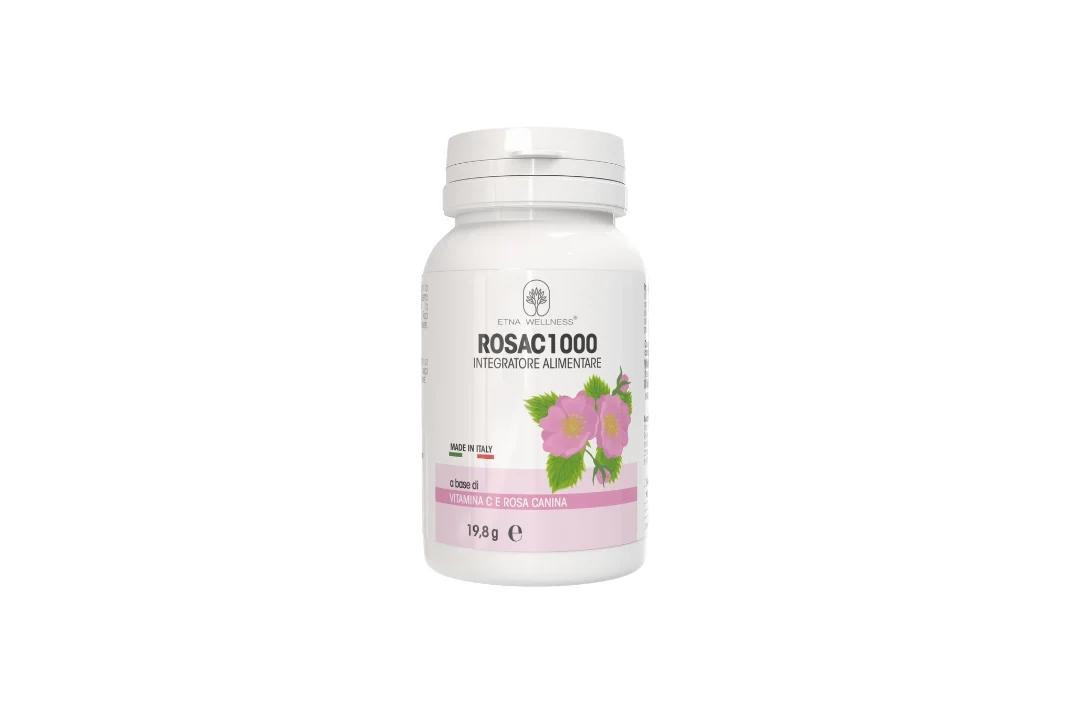
In the current ETNA.COM source set, Rosa C1000 is the vitamin-C-focused branch. Existing project material identifies it as a vitamin-C-led product, but exact English-market quantitative details remain gated until a direct current English technical source confirms them.
So the value proposition is already clear at category level: Rosa C1000 belongs in the nutrient-led route, where label amount and authorised wording matter most.
Reishi Puro: a different decision because the formula class is different
Reishi Puro belongs to the mushroom route, not the vitamin route.
Current project technical material identifies Ganoderma lucidum sporophore extract with declared polysaccharide standardisation. That makes the useful comparison about the mushroom source, extract and standardisation rather than about borrowing a vitamin-C claim.
This is an important value distinction: a mushroom formula can be attractive because of its specific extract architecture, but that does not mean it should be described with the same evidence language as a qualifying vitamin formula.
OxyPlus: when a broader antioxidant formula changes the comparison
OxyPlus sits in the broader antioxidant-oriented branch.
Project source material describes a formula involving vitamins A, C and E, selenium and a botanical component, but the current English source lock is not yet strong enough to support broader finished-product claims.
That means the useful comparison is structural: OxyPlus is a broader formula than a single nutrient or single mushroom product. Its value should be judged from the exact composition and qualifying nutrient claims once those are directly confirmed in the current English source set.
Keep Shake Plus in the nutrition route
Shake Plus already has its own protected product owner and should not be pulled into this page as if it were just another “immune supplement”.
Its role is broader nutrition. If the reader’s real need is meal structure, protein, vitamins and minerals within a daily nutrition routine, that should remain a separate path.
This separation protects the usefulness of both articles: the Immune Supplements page helps you choose a formula class, while the Shake Plus owner explains the product itself.
How ethical upselling should work here
The wrong approach would be to turn “immune support” into a stack of vitamin C + Reishi + OxyPlus + Shake Plus by default.
The better approach is to ask whether there is one need or more than one.
If the reader simply wants a nutrient-led immune-support route, a qualifying vitamin formula may already be enough. If they specifically want a mushroom-based routine, that is a different choice. A broader antioxidant or nutrition product should only be added when it answers another clearly identified need.
That is how upselling becomes useful rather than mechanical: each additional product needs its own reason to be there.
Why “more ingredients” is not the same as “more immune support”
A larger ingredient list can look more complete, but completeness depends on the purpose.
If your priority is claim transparency, a simple nutrient formula may actually be easier to assess. If your priority is a specific mushroom extract, a focused botanical formula may make more sense. If you deliberately want a broader multi-nutrient formula, then the added complexity can create more value.
The useful question is not how many ingredients are present. It is whether every major ingredient makes the formula more coherent for the need you started with.
Picture the routine before you decide
Imagine the product already sitting in your daily routine three weeks from now. Do you know why you are taking it? Can you explain whether it is nutrient-led, mushroom-led, antioxidant-oriented or part of broader nutrition?
If the answer is yes, the formula is starting to make sense beyond the marketing.
That is where perceived value becomes stronger: the product feels relevant because you understand its role, not because the label sounds dramatic.
A six-question fit check
What kind of formula do I actually want? Nutrient, mushroom, antioxidant or broader nutrition?
What exact ingredients are driving my decision?
Are the key amounts directly confirmed on the current label?
Is the health wording authorised for this exact nutrient and serving?
Would a second product answer a genuinely different need?
Can I picture this routine staying simple enough to follow?
When those answers are clear, the choice becomes easier to trust and easier to explain.
Choose the formula route before you choose the product
If you are still deciding whether your need is nutrient-led, mushroom-led, antioxidant-oriented or part of a broader nutrition routine, start from the needs guide. If the route is already clear, ask for help comparing the current formulas. Then create customer access and verify the present product, format, price and availability before deciding whether to order.
Creating customer access does not place an order. On mobile, scroll down on the registration page, complete your customer details, enter the shop and verify the current product, formula, format, price and availability before ordering.
Frequently asked questions
Are all immune supplements supported by the same evidence?
No. Nutrient claims, mushroom evidence and broader antioxidant formulas belong to different evidence classes and should be compared separately.
Does vitamin C automatically justify any immune claim?
No. The exact product must meet the relevant conditions of use and use authorised wording correctly.
Is Reishi Puro the same type of product as Rosa C1000?
No. Reishi Puro belongs to the mushroom/botanical route, while Rosa C1000 belongs to the nutrient-led vitamin-C route.
Should several immune-support products automatically be combined?
No. A combination only makes sense when each product answers a separate, clearly identified need.
Bottom line
The useful immune-supplement decision is not “which formula sounds like the strongest booster?” but “which evidence class and formula type match what I actually want?” Keep vitamin claims, mushroom evidence, antioxidant formulas and broader nutrition in their own lanes, then choose the simplest route that gives you a clear reason to buy.
A few useful notes before you choose
Immune-support language can become exaggerated very quickly online, so a reassuring way to compare products is to stay close to the current label and the evidence class behind the formula.
For Great Britain, commercial supplement communication should remain within the authorised nutrition and health claims framework. In practical terms, that means qualifying nutrients can use authorised normal-function wording when conditions are met, while products should not be presented as preventing or treating colds, flu or other infections.
As a simple final check, follow the current label for the specific product you choose. If pregnancy, breastfeeding, regular medicines, allergies or an existing condition are relevant to you, checking suitability with an appropriate healthcare professional can add confidence.
Sources and verification
This draft follows the current ETNA.COM immune-support owner map. Rosa C1000 remains the vitamin-C branch; Reishi Puro remains the mushroom branch; OxyPlus remains the broader antioxidant branch; Shake Plus remains a separate protected nutrition owner. Exact English-market Rosa C1000, Reishi Puro and OxyPlus quantities and finished-product claims remain gated until direct current English technical sources are closed. No infection-prevention or disease-treatment claim is adopted.
Spirulina looks like a simple supplement until you try to choose one. Capsules, tablets and powders can all carry the same familiar name, yet the daily routine, serving size, source information and label transparency can feel very different.
The useful decision is therefore not “which spirulina sounds strongest?”. It is which format and formula make the most sense for the way you actually want to use it.
Start from the routine: do you want the convenience of capsules, or do you genuinely prefer measuring and mixing a powder? Once the format is clear, dose, source and label quality become much easier to compare.
www.etnawellnesselitegroup.com
For the Etna-specific capsule format, continue with the Spirucaps Etna Wellness guide. If you are comparing spirulina with broader multi-ingredient wellness formulas instead, see the Immune Supplements comparison guide and compare each formula by its actual declared ingredients.
Why format changes the value of the product
Two spirulina products can contain the same general ingredient category but create very different daily experiences.
A powder asks you to measure, mix and accept the taste. Capsules remove those steps and make the serving more portable. Neither format is automatically more effective, but one may be much easier for you to use consistently.
This is where perceived value becomes practical: the product that fits your routine better may be the product you are more likely to keep using.
Capsules vs powder: what are you really choosing?
Format
Practical value
What to check
Capsules
Simple, portable and easy to repeat without measuring.
Capsule count, amount per capsule, total daily serving and other ingredients.
Powder
Flexible serving format for people who prefer mixing into drinks or foods.
Serving weight, measuring method, taste, storage and source information.
Why the species and source deserve more attention than the word “superfood”
“Superfood” is a marketing shortcut. It tells you very little about the exact product.
A better label comparison starts with the declared species or source. Spirulina products commonly identify Arthrospira platensis, but what matters commercially is whether the exact product tells you clearly what it contains, how much you take and where any quality or organic statement comes from.
That shift is useful because it turns an emotional label into a practical decision: you are no longer buying the reputation of spirulina; you are choosing a specific product with a specific routine.
Dose transparency matters more than a bold milligram number
One of the easiest mistakes is comparing the biggest number on the front of the pack.
A meaningful comparison should tell you the recommended daily amount, not only the amount in one capsule or scoop. A product with smaller capsules taken several times can provide a different daily total from a product with fewer larger capsules.
More milligrams do not automatically mean more value. The useful question is whether the amount is clearly documented and whether the serving fits the routine you want.
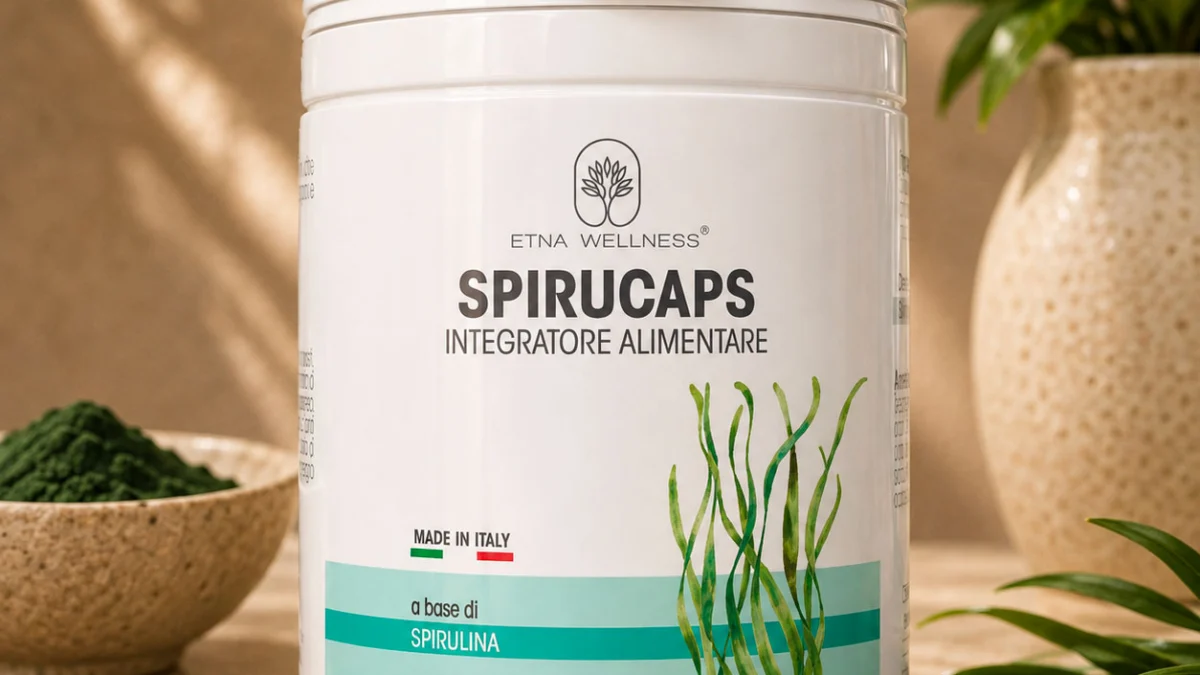
The current English Etna Wellness catalogue identifies Spirucaps as a capsule-format supplement containing Arthrospira platensis, with current directions of 3 capsules per day, away from meals.
That gives Spirucaps a clear place in the decision tree: it is for the person who values a simple capsule routine rather than preparing spirulina powder.
The current project source set does not yet provide a direct current English technical sheet confirming the exact amount per capsule or total daily milligrams. Those figures are therefore intentionally left out rather than carried forward from older material.
This does not weaken the comparison. It makes the value proposition clearer: Spirucaps currently wins on routine simplicity and label identity, while the quantitative detail remains something to verify on the current product label before purchase.
When capsules may create more perceived value
Imagine a normal weekday rather than the first day you open the product. If you travel, eat away from home or simply dislike measuring green powder, capsules may make the routine feel much easier.
That convenience is not evidence of greater biological effectiveness. It is evidence of better behavioural fit.
And behavioural fit matters because an inconvenient product can have high theoretical value but low practical value if you stop using it.
When powder may still be the better fit
Powder can make more sense when you already prepare smoothies, shakes or other measured drinks and prefer seeing the amount you add yourself.
For that person, the extra preparation is not friction; it is part of the ritual.
The important point is that neither format should be positioned as universally superior. The stronger decision is the one that matches the routine you can realistically maintain.
How ethical upselling should work in the spirulina category
Spirulina should not automatically become a reason to add an energy product, an immune product or a multivitamin.
A second product should enter only when there is a second need that is genuinely separate. If the reader is simply looking for a convenient spirulina routine, adding more products does not automatically increase value.
Upselling becomes useful only when the additional formula answers another clearly identified need and the customer can understand why it belongs there.
A five-point spirulina decision check
Format: capsules or powder — which one fits your day?
Identity: is the species/source clearly declared?
Daily serving: can you see the total recommended amount, not just one unit?
Transparency: are organic, sourcing or quality claims documented clearly?
Routine fit: can you picture yourself using it consistently after the novelty has passed?
When those five points are clear, the decision becomes much simpler and the perceived value becomes more concrete.
Picture the routine after three weeks
Imagine that the product is already part of your day. You are not thinking about marketing anymore; you are simply following the routine.
Do three capsules away from meals feel easy? Would you prefer measuring powder? Does the label give you enough information to feel confident about what you are taking?
That future view is often more useful than comparing dramatic claims because it tells you whether the product actually fits the life you have.
Choose the format first, then verify the current Spirucaps label
If you are still deciding whether spirulina is the right route for your need, start from the wider needs guide. If a capsule-format spirulina already fits what you are looking for, ask for current product information or create customer access and verify the present Spirucaps label, price and availability before deciding whether to order.
Need guidance before registering? Request guided customer access for Spirucaps. This internal request is optional; it does not create an official customer account or place an order.
Creating customer access does not place an order. On mobile, scroll down on the registration page, complete your customer details, enter the shop and verify the current product, formula, format, price and availability before ordering.
Frequently asked questions
Is spirulina powder better than capsules?
Not automatically. The main difference is format and routine. The better option is the one whose current serving and preparation fit you more naturally.
What species is listed for Spirucaps?
The current English catalogue identifies Arthrospira platensis.
How is Spirucaps currently used?
The current English catalogue states three capsules per day, away from meals.
Why is the exact milligram amount not shown here?
Because the current project source set has not yet closed that quantitative fact with a direct current English technical sheet or label.
Does a higher spirulina dose automatically mean a better product?
No. Dose is only one part of the comparison; source transparency, serving instructions, formula quality and routine fit also matter.
Bottom line
The useful spirulina decision is not “powder or capsules: which is stronger?” but “which format gives me the clearest, easiest routine with a label I understand?” Spirucaps currently offers a simple capsule route built around Arthrospira platensis and three capsules per day, while exact quantitative details should be confirmed on the current label.
A few useful notes before you choose
Spirulina is often surrounded by broad “superfood”, detox, immunity and energy language online. A calmer way to compare products is to keep those broad messages separate from the exact formula in front of you and focus on what the current label actually documents.
For Great Britain, commercial supplement communication should remain within the authorised nutrition and health claims framework, so general enthusiasm for spirulina should not be turned into promises to prevent, treat or cure disease.
As a simple final check, follow the current label for the specific product you choose. If pregnancy, breastfeeding, regular medicines, allergies or an existing condition are relevant to you, a suitability check with an appropriate healthcare professional can add confidence.
Sources and verification
This draft uses the current ETNA.COM project source lock for Spirucaps: capsule format, Arthrospira platensis and three capsules per day away from meals. Exact per-capsule and daily milligram quantities remain intentionally gated until a direct current English technical sheet or label is available. No detox, disease-treatment, immunity or weight-loss claim is adopted.
Moringa supplements can look similar on the front of the pack while using very different parts of the plant and very different preparations. That is why “moringa” alone is not enough information to make a useful comparison.
For a broader framework covering vitamins, minerals, botanicals and stimulant-style formulas, see the energy supplement comparison guide.
The clearer route is to check which plant part is used, whether the formula is an extract or a simple powder, whether any standardisation is declared, what the daily serving is and how transparent the label is.
Start with the raw material: seed and leaf products should not be treated as interchangeable just because both are sold as “moringa”.
Moringa products may use leaves, seeds or other plant material. Those are not automatically equivalent ingredients, and research or traditional use associated with one part should not simply be transferred to another.
For that reason, a good label should tell you clearly which part of Moringa oleifera is actually present.
Seed vs leaf: the first comparison to make
Many online articles discuss moringa generically, but the useful consumer question is more specific: is this a leaf-based product or a seed-based product?
Moringa Pura, the Etna Wellness example used in this guide, is currently identified by the official English product page as a Moringa oleifera seed dry extract.
That immediately places it in a different comparison category from a simple moringa leaf powder.
Extract vs powder: another important distinction
A dry extract and a simple powder are different preparation types.
A powder is generally the milled raw material. An extract has undergone a process intended to concentrate selected components. That does not mean an extract is automatically “better”; it means the formulas should be compared on their own terms.
When the label tells you the preparation type clearly, you can make a more meaningful comparison.
What standardisation tells you
The current official English Moringa Pura information states that the seed dry extract is standardised to 40% polysaccharides.
That is a useful compositional fact because it tells you that a particular group of compounds has been measured and declared consistently.
It should not be turned into a promise of a specific health outcome. Standardisation improves transparency; it does not, by itself, prove that a finished product will deliver weight-loss, digestive, circulation or metabolic results.
Daily serving matters more than capsule marketing
The current official English page gives a use of 1–2 capsules per day with water and identifies a 60-capsule pack.
The exact 400 mg-per-capsule figure seen in older secondary material is not repeated in the current English page used for this editorial lock, so it is deliberately not presented here as a current customer-facing fact.
This is the safer comparison approach: use what the current direct source confirms and keep unresolved quantitative details out until they are re-verified.
Moringa Pura is a seed-extract route. Its value is therefore not that it represents every kind of moringa supplement, but that it provides a clearly defined formula structure within the category.
If you are specifically looking for a leaf powder, it belongs to a different comparison. If you are looking for a standardised seed extract in capsule form, Moringa Pura is the more relevant route to evaluate.
Why broad “moringa benefits” lists are not enough
Moringa is often marketed online with very broad claims touching digestion, circulation, cholesterol, glucose, weight management, immunity, beauty and more.
The problem is that generic botanical discussion can easily blur three separate things:
research on a plant or plant part;
the exact composition of a finished supplement;
what a finished product is actually allowed and able to claim.
A stronger buying decision keeps those three layers separate.
How to compare moringa products more intelligently
What to check
Why it matters
Plant part
Seed and leaf are not interchangeable.
Preparation type
Extract and simple powder are different product formats.
Standardisation
Helps describe composition more precisely.
Daily serving
Lets you compare the actual routine, not only the front label.
Claim quality
Prevents generic botanical language from becoming a finished-product promise.
Why more botanical ingredients are not automatically better
A formula with more plants can appear more complete, but a larger ingredient list only adds value when each additional ingredient serves a separate, clearly understood purpose.
If your aim is specifically to evaluate moringa, a focused formula can make the decision easier because the role of the product remains obvious.
How ethical upselling should work with moringa
Moringa Pura should not automatically lead to a detox, weight-management, beauty or immune product.
A second product only makes sense when there is a distinct second need. If the customer is simply evaluating moringa as a standalone botanical route, adding products for unrelated reasons creates complexity rather than value.
Picture the routine after the first month
Imagine the supplement becoming part of an ordinary week rather than a new purchase. Would a 1–2 capsule routine be easy to maintain? Do you understand why you chose a seed extract rather than a leaf powder? Can you explain what the 40% standardisation means without turning it into a promise?
If those answers are clear, the product has become easier to evaluate and easier to use consistently.
A six-question moringa fit check
Which part of the plant does the product use?
Is it an extract or a simple powder?
Is a standardisation declared?
Is the daily serving clear?
Are broad botanical claims being separated from finished-product evidence?
Does this formula type match what I actually want to buy?
Choose the moringa type before you choose the product
If you are still deciding whether moringa fits your need, start from the needs guide. If you already know you want to compare seed extract vs other moringa formats, ask for help comparing the current formula. Then create customer access and verify the current product, format, price and availability before deciding whether to order.
Creating customer access does not place an order. On mobile, scroll down on the registration page, complete your customer details, enter the shop and verify the current product, format, price and availability before ordering.
Frequently asked questions
Is Moringa Pura made from moringa leaf?
No. The current official English product page identifies it as a Moringa oleifera seed dry extract.
What does 40% polysaccharides mean?
It is the current declared standardisation of the seed extract. It describes the composition of the ingredient but should not be treated as a guaranteed measure of effectiveness.
How is Moringa Pura currently used?
The current official English information states 1–2 capsules per day with water.
How many capsules are in the current pack?
The current official English information identifies a 60-capsule format.
Why is the 400 mg-per-capsule figure not shown?
Because that figure is not stated in the current direct English page used for this source lock, so it remains gated until a current direct source confirms it.
Bottom line
The useful moringa decision is not “which product mentions the most benefits?” but “what type of moringa formula am I actually buying?” Separate seed from leaf, extract from powder, check standardisation and daily use, and keep broad botanical claims separate from finished-product evidence.
A few useful notes before you choose
Moringa is discussed online in many different health contexts, but that does not mean every moringa supplement has proven or authorised claims for digestion, circulation, weight loss, cholesterol, glucose control, immunity or other outcomes.
The most reassuring way to compare products is to stay close to the current label and to the exact plant part and preparation used.
As a simple final check, follow the current label for the exact product you choose. If pregnancy, breastfeeding, regular medicines, allergies or an existing condition are relevant to you, a suitability check with an appropriate healthcare professional can add confidence.
Sources and verification
This draft uses the current official English Moringa Pura facts locked in the ETNA.COM editorial evidence matrix: 60 capsules, Moringa oleifera seed dry extract, standardised to 40% polysaccharides, with directions of 1–2 capsules per day with water. The 400 mg-per-capsule figure remains excluded because it is not confirmed by the current direct English page. Broad weight-management, digestive, circulation and metabolic claims are not adopted.
When your legs feel heavy or puffy, it is easy to group every sensation under “water retention”. But heaviness, visible swelling and general fluid-balance concerns are not identical questions, and they should not automatically lead to the same product path.
The most reassuring way to compare options is to separate what you are feeling from the type of support you are actually looking for.
Safety first: new, marked, painful or unexplained swelling — especially if it is one-sided or accompanied by other concerning symptoms — is not a routine supplement-selection question and deserves appropriate professional assessment.
People use “heavy legs” to describe tired-feeling legs, puffiness after long periods standing or a general sensation they associate with circulation. The phrase alone does not identify the cause.
Venixin200: what the current English source supports
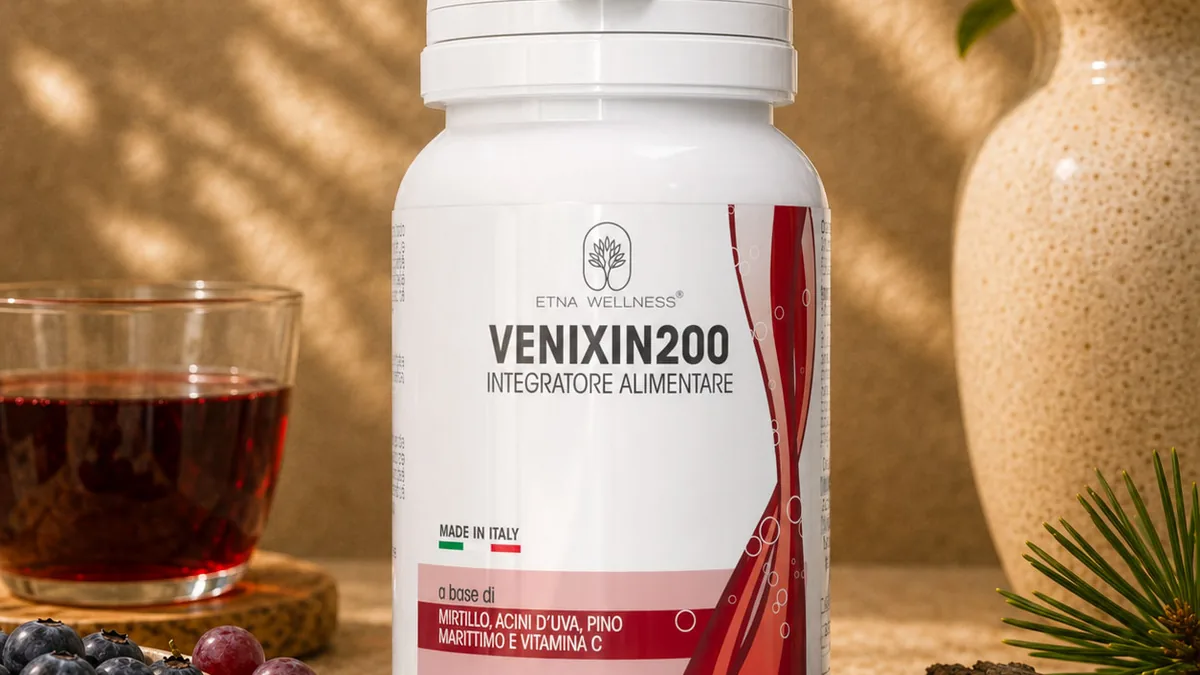
The current official product information identifies Venixin200 as a 60-capsule formula containing bilberry dry extract standardised to 25% anthocyanins, grape-seed extract standardised to 95% procyanidins, French maritime pine bark extract standardised to 65% OPCs, plus vitamin C.
The current use is 2 capsules per day with water. These are formula and use facts; they do not turn the product into a treatment for vascular disease.
Water retention and drainage are separate routes
CelluTea belongs to the water-retention category, while Tea Dren Mix belongs to the drainage category. Neither should automatically replace Venixin200, and the current comparison framework does not support automatic CelluTea + Tea Dren Mix stacking.
Main question
Path
Leg heaviness / microcirculation-oriented comparison
Venixin200 category
Water-retention comparison
CelluTea category
Drainage comparison
Tea Dren Mix category
More products are not automatically better
Once the path is clear, the comparison becomes simpler. The goal is not to build the largest combination, but to match the product category to the question you actually have.
Use the pattern of the symptom to choose the next question
The phrase “heavy legs” is most useful as a starting description. Ask when it appears, whether there is visible swelling, whether one or both legs are affected, whether the sensation changes after long periods standing or sitting, and whether there are other symptoms such as pain, skin changes or shortness of breath.
Those details do not diagnose the cause, but they help prevent the supplement category from becoming the first assumption. A person mainly comparing a leg-comfort botanical formula is making a different decision from someone researching fluid balance, and both are different again from someone with persistent or sudden swelling that needs medical assessment.
For product research, compare the documented formula, the recommended use and the permitted claims. For symptoms that are new, one-sided, painful, persistent or otherwise concerning, the safer next step is professional assessment rather than adding more products.
A clearer decision path
Identify whether the main concern is heaviness, visible swelling or a general drainage comparison.
Check whether the situation is appropriate for a wellness-product comparison.
Use the matching product path rather than combining categories by default.
Verify the exact current label, dose and warnings.
For Great Britain, commercial health claims must stay within the applicable nutrition and health claims framework. Ingredient reputation should never be turned into a disease-treatment promise.
Ready to explore the right path?
Once you know whether you are comparing heaviness, water retention or drainage, checking the current product becomes much easier.
Open the relevant path.
Create customer access.
Check the current exact product, label, price and availability for your country.
Want help before registering? Request guided customer access. This internal request is optional; it does not create an official account or place an order.
No. They can overlap as search terms, but they should not be treated as the same diagnosis or product need.
How is Venixin200 currently used?
The current official information states two capsules per day with water.
Should CelluTea and Tea Dren Mix automatically be combined?
No.
A few useful notes before you choose
A simple final check can make the decision clearer: separate heaviness, water-retention and drainage questions, then verify the current label and suitability of the matching route. New, marked, painful or unexplained swelling is better assessed professionally rather than treated as a routine supplement choice.
If you are looking at Aloe Vera supplements, the first decision is not which bottle looks more natural. It is what kind of Aloe product you actually want in your routine.
A high-Aloe drink, an Aloe-plus-botanical formula and a broader multi-ingredient liquid can all sit under the same “Aloe” mental category while doing very different jobs on the label. When those differences are not clear, it is easy to compare percentages, bottle sizes or marketing phrases without understanding what you are really buying.
Start with your need: do you want Aloe to be the main feature of the formula, do you want Aloe combined with another botanical, or are you looking for a broader daily liquid where Aloe is only one part of a multi-ingredient routine?
www.etnawellnesselitegroup.com
If you are comparing aloe formats rather than looking for a generic “best” product, continue with the Aloe Attiva Etna Wellness guide for the aloe-plus-joint-support formula, or the Aloe Vera 98 Etna Wellness guide for the high-aloe liquid format. The comparison is more useful when each formula is judged by its actual ingredients, serving instructions and intended role.
Why “Aloe Vera supplement” is not one single choice
The word Aloe can create a simple image: one plant, one type of product, one reason to use it. In practice, orally consumed Aloe products can differ by the part of the leaf used, the percentage of Aloe in the finished formula, flavouring, sweeteners, added vitamins and other active ingredients.
That means the buying decision becomes much clearer when you stop asking “which Aloe is strongest?” and start asking “which formula structure best matches the reason I want an Aloe product?”
This reframing matters because a higher percentage is not automatically a better fit. A concentrated Aloe-led drink and a multi-ingredient formula may both be useful comparisons, but they solve different decision problems.
Four formula routes that look similar until you read the label
Route
What defines it
Etna Wellness example
Best question to ask
Aloe-led drink
Aloe is the dominant formula identity.
Aloe Vera 98%
Do I mainly want a simple Aloe-centred product?
Aloe + honey
Aloe remains central while honey changes flavour and formula profile.
Aloe Vera with Honey
Do I want an Aloe-led formula with honey rather than the peach/Stevia route?
Aloe + botanical
Aloe remains central but another plant changes the formula logic.
Aloe Nettle
Do I specifically value the added botanical rather than Aloe alone?
Multi-ingredient liquid
Aloe is one component inside a broader daily formula.
Aloe Attiva
Am I really choosing Aloe, or a wider glucosamine/chondroitin/MSM/collagen routine?
Aloe Vera 98%: when the value is formula simplicity
The newly supplied current product sheet confirms Aloe Vera 98% Peach as a 98% Aloe Vera gel formula. Its ingredient list also includes Stevia, inulin, xanthan gum, citric acid, flavouring and vitamin C. The recommended daily amount is 100 ml, divided into two or three servings, and the sheet declares 27.6 mg vitamin C per 100 ml.
The important value here is not a promise of a particular health outcome. It is clarity. If your priority is to choose an Aloe-led drink rather than a formula where Aloe shares the spotlight with many other ingredients, this structure is easy to understand.
That can make the choice feel simpler: you are not paying for a long list of co-ingredients you may not need, and you can evaluate the product primarily on Aloe concentration, taste, preparation, warnings and how naturally it fits into your routine.
Aloe Vera with Honey: when you want Aloe to remain central but prefer a different formula experience
The newly supplied current Aloe Vera Drinks Gel with Honey and Vitamin C sheet declares 90% Aloe Vera gel, 7% wildflower honey and vitamin C. The recommended daily amount is 100 ml, divided into two or three servings, and the sheet declares 80 mg vitamin C per 100 ml.
This keeps Aloe at the centre of the decision while changing the flavour, sweetening profile and micronutrient contribution. It is therefore a different route from Aloe Vera 98% without becoming a complex multi-ingredient formula.
The useful question is not whether honey makes it “better”, but whether this profile makes the product easier and more enjoyable for you to use consistently. When the added element improves routine fit, it can increase real perceived value.
Aloe Nettle: when a second botanical is part of the reason for choosing
The newly supplied current sheet confirms Aloe Nettle 90% as a formula with 90% Aloe Vera gel, 6.5% honey, 2% nettle extract and vitamin C. The recommended daily amount is 100 ml, divided into two or three servings, and the sheet declares 27.6 mg vitamin C per 100 ml.
That makes it a different decision from Aloe Vera 98%. The question is no longer simply “how much Aloe is present?” but whether the added nettle is genuinely relevant to what you are looking for.
A second botanical can increase perceived value when it has a clear role in your decision. It does not automatically increase value just because the ingredient list is longer. If you cannot explain why the added plant matters to you, the simpler formula may be easier to justify.
Aloe Attiva: when Aloe is only one part of a broader formula
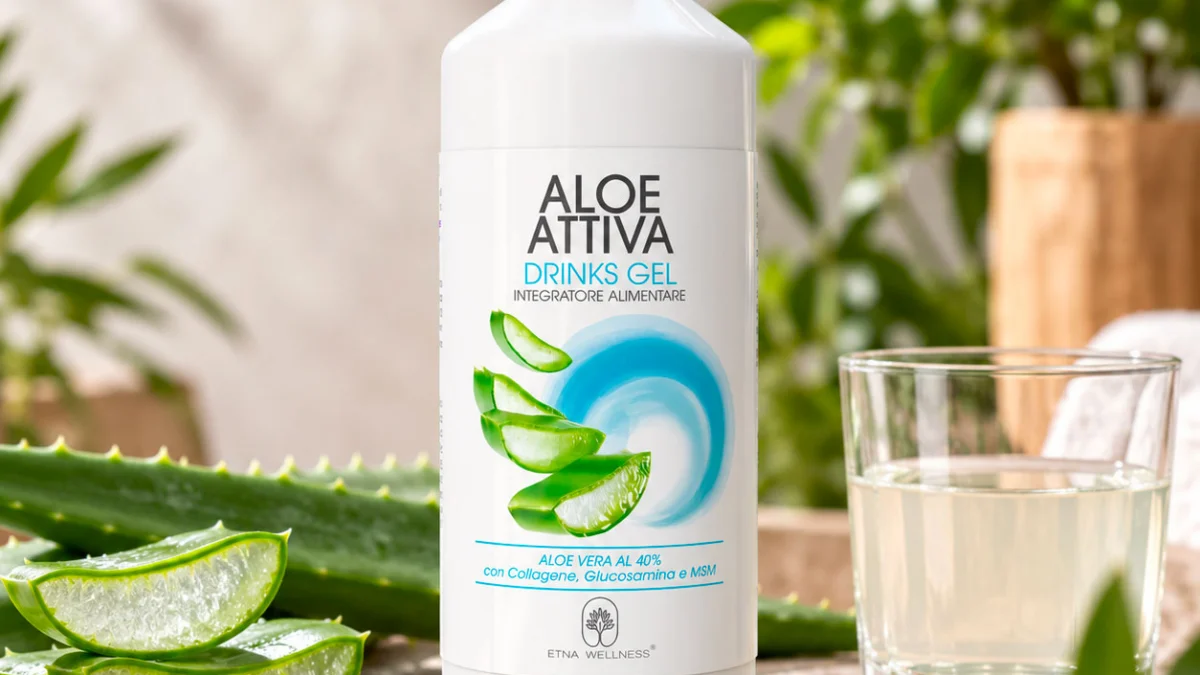
Aloe Attiva changes the decision more substantially. Its current source-locked daily serving is 40 ml, and the formula includes 40% Aloe Vera gel alongside glucosamine sulphate, chondroitin sulphate, MSM, hydrolysed bovine collagen, vitamin C and vitamin E.
The labelled 40 ml serving declares 450 mg glucosamine sulphate, 450 mg chondroitin sulphate, 200 mg MSM and 27.6 mg vitamin C. Vitamin E is also present. Hydrolysed bovine collagen is included in the ingredient list but is not quantified on the current sheet. The glucosamine sulphate is identified as being derived from crustaceans, which makes the allergen declaration relevant when deciding whether the formula is suitable for you.
This means Aloe Attiva should not be chosen simply because the word “Aloe” appears on the front. Its value proposition is the opposite of Aloe Vera 98%: it is a broader multi-ingredient liquid routine. If that broader structure matches your priorities, the extra complexity can make sense. If your priority is simply an Aloe-centred drink, it may be more formula than you need.
What the Aloe percentage tells you — and what it does not
A percentage helps you understand how much of the finished formula is described as Aloe, but it does not tell you everything about the product. It does not by itself establish effectiveness, safety for every person, or superiority over a lower-percentage formula with a different purpose.
Use the percentage as one decision signal, then look at the rest: which part of the plant is used, what other ingredients are present, whether the formula includes sweeteners or added nutrients, how much you take and what warnings apply.
Picture the routine before you decide which formula has more value
Imagine an ordinary morning. Do you want a simple Aloe-led drink that requires very little explanation? Would you prefer an Aloe-plus-botanical formula because the second ingredient is part of your reason for choosing? Or are you deliberately looking for a broader liquid routine with glucosamine, chondroitin, MSM and collagen?
The answer matters because value is not the number of ingredients on the label. Value is how well the formula matches the role you want it to play in your day.
A product that feels coherent with your routine is easier to use consistently. A product that looks impressive but contains several ingredients you did not actually want can create more complexity without increasing useful value.
A seven-point Aloe supplement decision check
Need: why are you looking for an Aloe product?
Formula role: Aloe-led, Aloe-plus-botanical or broader multi-ingredient liquid?
Aloe percentage: how much of the finished formula is Aloe?
Plant part / preparation: gel, latex or whole-leaf context?
Co-ingredients: do they add value for your specific reason for choosing?
Safety: medicines, pregnancy/breastfeeding, digestive sensitivity and label warnings.
Routine fit: can you realistically see yourself using the format as directed?
When “more complete” is valuable — and when it is just more complex
There is no automatic winner between a 98% Aloe-led product and a 40% Aloe multi-ingredient formula. They are answering different questions.
If your decision is centred on Aloe itself, simplicity can increase value. If your decision is centred on a broader routine and you deliberately want the additional ingredients, the wider formula can increase value. The important step is being able to explain why the added complexity belongs in your routine.
This is also the point where ethical upselling becomes useful rather than mechanical: you add a broader formula or a second route only when there is a second need you can identify clearly, not because “more products” automatically means “better results”.
Choose the Aloe route first, then verify the current product
If you are still unsure which formula structure fits your need, start from the needs guide. If you already know whether you want an Aloe-led drink, Aloe-plus-botanical formula or broader multi-ingredient liquid, ask for help comparing the exact current options. When the role is clear, create customer access and verify the current formula, format, price and availability before deciding whether to order.
Would you prefer assistance before registering? Start guided customer access. This internal request is optional and does not create an official account or place an order.
Creating customer access does not place an order. On mobile, scroll down on the registration page, complete your customer details, enter the shop and verify the current product, format, price and availability before ordering.
Frequently asked questions
Is a higher Aloe percentage always better?
No. A higher percentage tells you that Aloe makes up more of the formula, but it does not automatically make the product more suitable for your need.
What is the difference between Aloe Vera 98% and Aloe Attiva?
Aloe Vera 98% is an Aloe-led peach-flavoured formula with Stevia and vitamin C. Aloe Attiva contains 40% Aloe gel inside a broader formula with glucosamine, chondroitin, MSM, hydrolysed bovine collagen and vitamins.
What is Aloe Nettle?
The current product sheet declares 90% Aloe Vera gel, 6.5% honey, 2% nettle extract and vitamin C. It is therefore a distinct Aloe-plus-botanical route rather than simply another flavour.
Is oral Aloe the same as Aloe gel applied to the skin?
No. Topical and oral Aloe products have different uses and safety considerations. Oral Aloe also differs according to whether the preparation involves inner-leaf gel, latex or whole-leaf material.
Who should ask a healthcare professional before using oral Aloe?
People who are pregnant or breastfeeding, who take regular medicines or who have medical conditions should seek professional advice before using oral Aloe products. Always follow the exact product label.
Bottom line
The useful Aloe decision is not “which bottle contains the most Aloe?” but “which formula structure best matches the role I want in my routine?” Start with the need, compare the formula rather than the headline, understand the plant preparation and safety context, then choose only the level of complexity that adds real value for you.
A few useful notes before you choose
A final detail worth knowing is that oral Aloe products can use different parts of the plant, so checking the exact preparation helps you compare them more confidently. Aloe gel comes from the inner portion of the leaf, while Aloe latex comes from the outer layer; whole-leaf preparations can contain both unless processed to remove anthraquinone compounds such as aloin. Short-term oral use of Aloe gel has been studied with generally reassuring safety findings, while Aloe latex has a different safety profile and is generally approached with more caution.
The current product sheets also include a few product-specific notes that are useful to check before choosing. For example, the Aloe Vera with Honey sheet includes specific guidance for younger users, pregnancy or breastfeeding and prolonged use. Aloe Attiva also suggests checking suitability with a healthcare professional when there are existing conditions or ongoing medicines. Its crustacean-derived glucosamine also makes the allergen declaration relevant.
You may come across many different benefit claims for Aloe online. The most useful approach is to keep those broad messages separate from the specific formula you are actually comparing. For Great Britain, supplement communication should stay within the authorised health-claim framework. Formula facts, authorised nutrient claims where applicable, safety and realistic expectations must remain separate from unsupported finished-product claims.
As a simple final check, follow the current label for the specific product you choose. If pregnancy, breastfeeding, regular medicines, allergies or an existing condition are relevant to you, a quick suitability check with an appropriate healthcare professional can help you use the product with greater confidence.
Sources and verification
Product-specific facts are based on the current ETNA.COM project evidence for Aloe Vera 98%, Aloe Nettle and Aloe Attiva. Aloe Vera 98% formula proof is source-closed as 98% peach-flavoured Aloe Vera with Stevia and vitamin C. Aloe Nettle is source-locked as 90% Aloe Vera gel plus nettle dry extract and vitamin C. Aloe Attiva uses the current product-owner source lock for the 40 ml daily serving and multi-ingredient formula. External Aloe safety context was refreshed on 21 September 2026 against current NCCIH guidance; UK food-supplement claim boundaries were checked against current GOV.UK guidance. No disease-treatment claim is adopted for any finished product.
Choosing a Lion’s Mane supplement is easier when you stop comparing labels by hype and start comparing what is actually inside the capsule. The useful questions are practical: which part of the mushroom is used, is it an extract or a powder, is any standardisation declared, what is the daily serving and how transparent is the label?
This matters because two products carrying the same “Lion’s Mane” name can be built very differently. The goal is not to find the most dramatic promise. It is to find the formula you can understand, compare and use with confidence.
A useful comparison starts with five facts: mushroom part, extract type, declared standardisation, daily amount and serving format.
Why Lion’s Mane labels can be difficult to compare
The front of the pack may simply say “Lion’s Mane”, yet that does not tell you whether the product uses the fruiting body, another fungal material, a dry extract or a simple powder. It also does not tell you whether a meaningful standardisation is declared.
Those details do not automatically prove that one product will produce a better outcome. They do, however, make the formula easier to evaluate.
1. Check which part of the mushroom is used
Lion’s Mane is Hericium erinaceus. When comparing supplements, the label should make the raw-material identity as clear as possible.
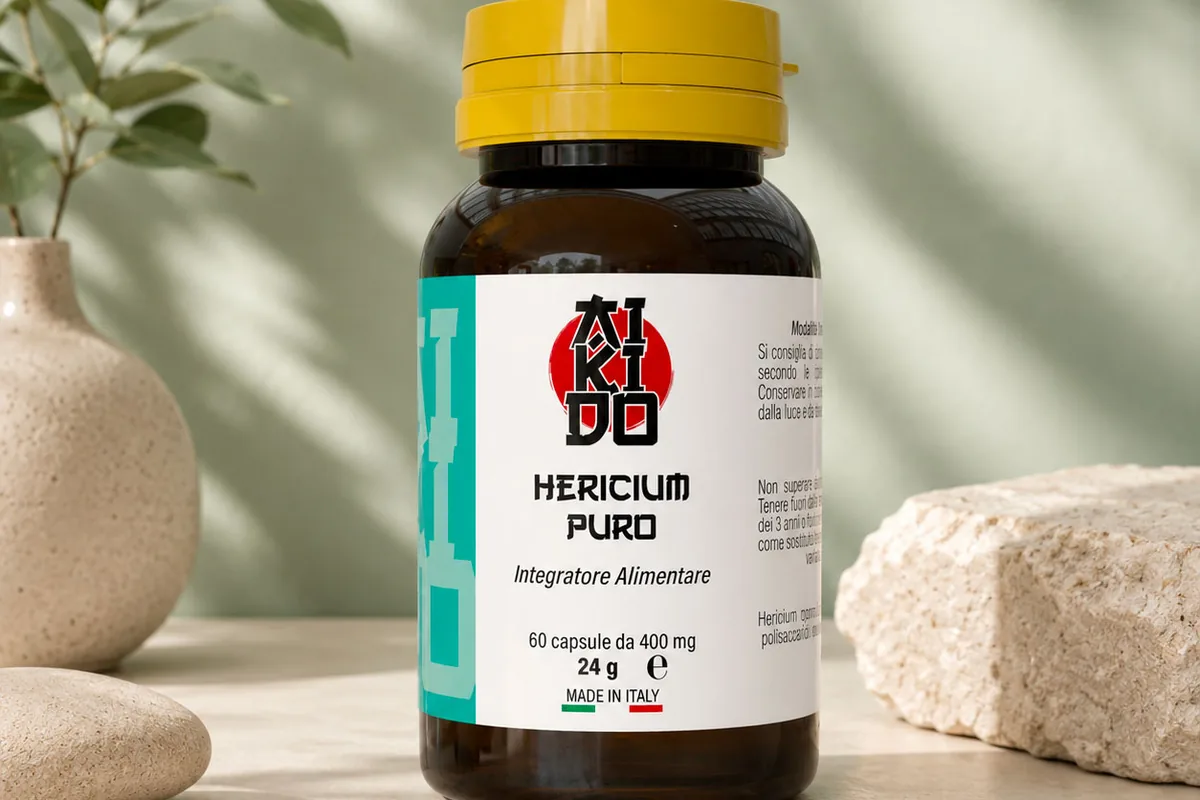
Hericium Puro, the Etna Wellness product used as the worked example in this guide, currently identifies a Hericium erinaceus sporophore dry extract. “Sporophore” refers to the fruiting body of the mushroom.
That is useful information because it tells you exactly which part of the mushroom the current formula is built around.
2. Separate extract from simple powder
“Powder” and “extract” are not interchangeable terms. An extract has undergone a concentration process, while a simple powder is generally the ground raw material.
That does not mean an extract is automatically superior in every context. It means you should compare like with like and understand what the manufacturer is declaring.
3. Look for declared standardisation
A standardisation figure can improve formula transparency when it tells you which group of compounds has been measured.
The current official English information for Hericium Puro states that its sporophore dry extract is standardised to 30% polysaccharides.
This should be read as a compositional fact, not as a guarantee of a cognitive result. Standardisation helps you understand the material more precisely; it does not by itself prove that a finished product will improve memory, concentration or mood.
4. Compare the daily amount, not only the capsule strength
One capsule strength tells you only part of the story. The useful number is the amount actually used per day.
Hericium Puro currently contains 60 capsules of 400 mg, with directions of 2 capsules per day. That corresponds to 800 mg per daily serving.
With two capsules per day, a 60-capsule pack corresponds to around 30 days of use when followed as directed.
5. Ask whether the label gives you enough information to make a real comparison
A useful Lion’s Mane label should let you answer basic questions without guessing:
Which species is used?
Which part of the mushroom is used?
Is it an extract or a powder?
Is a standardisation declared?
How much is taken per day?
How many days does the pack provide?
When those points are clear, you can compare formulas on substance rather than presentation.
Hericium Puro is a single-mushroom route. That is important because it keeps the decision distinct from a broader focus formula containing several botanicals or nutrients.
If your priority is specifically Lion’s Mane, a focused Hericium product gives you a cleaner comparison. If your real need is broader mental focus and you want to compare stimulant, mushroom and multi-ingredient botanical approaches, use the dedicated Focus Supplements guide instead.
Single-mushroom vs broader focus formula
Route
What you are comparing
When it may feel clearer
Single Lion’s Mane
Species, mushroom part, extract, standardisation and daily serving.
When Lion’s Mane itself is the specific ingredient you want to evaluate.
Broader focus formula
Several ingredient families combined for a broader focus-oriented routine.
When your need is broader than one mushroom ingredient.
Why more ingredients do not automatically create more value
A longer formula can look more complete, but it also changes the decision. If the reason you are shopping is specifically Lion’s Mane, adding several unrelated ingredients can make it harder to judge what you are actually choosing.
A broader formula may still make sense when it answers a broader need. The point is not to minimise ingredients; it is to make sure each additional layer has a reason to be there.
How ethical upselling should work here
Hericium Puro should not automatically lead to a second focus, energy or immune product.
A second product only adds value when you can describe the second need independently. If the customer simply wants a Lion’s Mane route, the focused choice may already be the clearest one.
If another need genuinely exists, compare that need separately rather than building an automatic stack.
Picture the routine after the novelty has passed
Imagine the product sitting in your routine after two or three weeks. Two capsules per day is simple on paper, but the best routine is the one you can actually follow consistently.
Would you prefer a single-ingredient mushroom product because the purpose stays obvious? Or would you rather use a broader formula because you are trying to address a wider focus-related need?
That future routine is part of the value equation.
A six-question Lion’s Mane fit check
Is Lion’s Mane itself the ingredient I want to evaluate?
Does the label identify the mushroom part clearly?
Is it an extract or a simple powder?
Is any standardisation declared?
Is the daily serving clear?
Do I want a focused single-mushroom route or a broader focus formula?
Choose the formula structure before you choose the product
If you are still deciding whether Lion’s Mane itself is the right route, start from the needs guide. If the route is already clear, ask for help comparing the current formula. Then create customer access and verify the current product, format, price and availability before deciding whether to order.
Would you prefer help before using the official registration? Start guided customer access for Hericium Puro. This internal request lets you ask for assistance; it does not create an official account or place an order.
Creating customer access does not place an order. On mobile, scroll down on the registration page, complete your customer details, enter the shop and verify the current product, format, price and availability before ordering.
Frequently asked questions
What does “sporophore” mean?
It refers to the fruiting body of the mushroom. The current Hericium Puro information identifies a Hericium erinaceus sporophore dry extract.
What does 30% polysaccharides mean?
It is a declared standardisation of the extract. It helps describe the composition of the raw material, but it should not be interpreted as a guaranteed measure of cognitive effect.
How much Hericium Puro is used per day?
The current official English information states two 400 mg capsules per day, equal to 800 mg per daily serving.
How long does a pack last?
At two capsules per day, the current 60-capsule pack provides around 30 days of use.
Is Lion’s Mane the same as a general focus supplement?
No. Lion’s Mane is a specific mushroom ingredient. A broader focus formula may contain several different ingredient families and should be compared separately.
Bottom line
A good Lion’s Mane comparison is not about finding the most impressive promise. Check the mushroom part, extract type, standardisation, daily amount and label transparency. Hericium Puro currently provides a clear single-mushroom example: 60 capsules of 400 mg, sporophore dry extract standardised to 30% polysaccharides, with two capsules per day.
A few useful notes before you choose
Lion’s Mane is often discussed online in connection with memory, focus, mood and other cognitive themes. Those discussions should not be turned automatically into finished-product claims. This article therefore keeps the product comparison centred on verified formula facts rather than promising a cognitive outcome.
There is no guaranteed timetable for “feeling” a Lion’s Mane supplement, and a standardisation percentage should not be used as a shortcut to promise effectiveness.
As a simple final check, follow the current label for the exact product you choose. If pregnancy, breastfeeding, regular medicines, allergies or an existing condition are relevant to you, a suitability check with an appropriate healthcare professional can add confidence.
What UK readers should check before choosing
In Great Britain, food supplements are regulated as foods rather than medicines. A supplement should therefore be compared from its actual label, ingredients, dose and permitted claims rather than from online promises about treating or preventing a condition.
This UK comparison does not assume that every Lion’s Mane formula, or any specific Etna Wellness product, is available in every UK sales channel. Availability and the current product label should be checked separately before ordering.
Sources and verification
This draft uses the current official English Hericium Puro facts locked in the ETNA.COM editorial evidence matrix: 60 capsules of 400 mg, Hericium erinaceus sporophore dry extract, 30% polysaccharides and two capsules per day. Finished-product claims for memory, concentration, ADHD, dementia, depression or mood are not adopted. The Lion’s Mane owner remains separate from the generic Focus Supplements owner.
Searching for the “best sleep supplements” can produce long rankings of magnesium, herbs, amino acids and melatonin products. But a useful comparison has to start with the reason sleep is difficult, the evidence behind each ingredient and the legal status of the product in your market.
For UK readers, one point is especially important: melatonin is a prescription-only medicine in the UK and melatonin supplements are not authorised for ordinary retail sale as food supplements. That means UK sleep-supplement comparisons should not copy US-style lists without adapting them to the UK regulatory context.
Quick answer: the best sleep supplement is not a universal winner. Compare the reason for poor sleep, ingredient evidence, dose transparency, timing, safety, medicine interactions, legal status and whether the formula addresses a real need rather than simply containing more ingredients.
www.etnawellnesselitegroup.com
Why sleep supplements need an evidence-first comparison
Sleep is influenced by many factors, including sleep timing, caffeine, alcohol, stress, pain, shift work, environment, medication and health conditions.
That means a supplement can only be one part of the picture. If the underlying issue is chronic sleep restriction, untreated sleep apnoea, persistent anxiety, pain or another medical problem, adding more supplements is unlikely to solve the root cause.
Step 1: define the sleep problem before choosing an ingredient
Different sleep complaints are not interchangeable:
difficulty falling asleep;
frequent waking;
early waking;
poor sleep timing;
feeling tense before bed;
sleep disruption linked to caffeine or late routines;
daytime tiredness despite enough time in bed.
The more clearly you identify the pattern, the easier it becomes to judge whether a supplement category is even relevant.
Step 2: start with sleep hygiene before supplements
Supplements should not be used to compensate for a routine that is consistently working against sleep.
Basic checks include:
consistent sleep and wake times;
limiting late caffeine;
reducing bright light and stimulating activity close to bedtime;
keeping the bedroom dark, quiet and comfortable;
avoiding heavy late meals where they disturb sleep;
allowing enough time for sleep.
Step 3: compare ingredient evidence, not popularity
Some ingredients are widely marketed for sleep even when the human evidence is limited, inconsistent or highly dependent on the population studied.
A useful comparison asks:
Are there human trials?
Was the ingredient studied alone or only inside a blend?
Was the dose similar to the commercial product?
Were the participants healthy adults, older adults or people with diagnosed insomnia?
Was the outcome falling asleep, total sleep time, subjective sleep quality or something else?
Step 4: do not transfer evidence from one ingredient to an entire formula
A commercial blend may contain magnesium, botanicals and amino acids, but evidence for one ingredient does not automatically prove the finished product improves sleep.
This is especially important with multi-ingredient formulas where the exact combination has never been studied.
Magnesium: useful to compare carefully
Magnesium is commonly included in sleep products because of its physiological role in the nervous system and because some studies have explored its relationship with sleep.
However, magnesium should not be presented as a guaranteed sleep treatment. The effect can depend on baseline magnesium status, population and formulation. For a label-focused explanation of magnesium forms, elemental amounts and precautions, consult our magnesium for sleep supplements guide.
When comparing magnesium products, check:
the magnesium salt used;
the amount of elemental magnesium;
the daily serving;
other magnesium already used during the day;
gastrointestinal tolerance;
kidney-health considerations where relevant.
L-theanine and amino-acid style formulas
L-theanine is often used in evening or relaxation products and has been investigated in human studies for stress, relaxation and sleep-related outcomes.
The evidence is not the same as an authorised claim that a finished product “treats insomnia”.
As with other ingredients, compare the exact dose and whether the product is being positioned as general relaxation support or as a medical sleep treatment.
Botanical formulas: different herbs, different evidence
Valerian, passionflower, lemon balm, ashwagandha and other botanicals are frequently grouped together in sleep products.
That can be misleading because each botanical has its own evidence base, preparation method, dose and safety considerations.
Do not assume that a longer botanical list means a stronger formula.
Melatonin: the UK distinction that cannot be ignored
In some countries, melatonin is sold as a supplement. In the UK, the situation is different.
The NHS states that melatonin is available on prescription only, and that melatonin supplements sold as complementary products in some countries are not authorised for sale in the UK.
For this reason, a UK-focused article should not present an ordinary melatonin supplement as a standard over-the-counter food-supplement option.
What this means for Etna Wellness Relax
Relax Etna Wellness contains melatonin according to the current Etna Wellness product documentation.
That means it should not be used as an ordinary UK food-supplement product bridge unless a compliant UK route is explicitly verified.
The product can still be discussed in broader international editorial context where market-specific legality and availability have been checked, but this UK comparison does not direct readers to purchase it.
Step 5: compare timing
Timing can matter as much as ingredient choice.
Questions to ask include:
Is the product intended 30–60 minutes before bed?
Does it contain anything stimulating?
Could it increase next-day drowsiness?
Does it interact with evening medicines?
Does the label advise a specific schedule?
Step 6: check medicine interactions and personal context
Sleep products can interact with medicines or be unsuitable in certain situations.
Extra care is appropriate if you:
take sedating medicines;
take antidepressants or other psychiatric medicines;
take medicines for blood pressure or other chronic conditions;
are pregnant or breastfeeding;
have kidney or liver disease;
have unexplained persistent sleep problems.
Step 7: avoid “stronger” as a decision shortcut
A formula with more ingredients, higher doses or more sedating positioning is not automatically better.
For sleep, the best-fitting option is often the one with the clearest rationale, simplest formula and safest fit for the user’s actual problem.
Step 8: compare the whole formula
Criterion
What to look for
Common mistake
Ingredient evidence
Human evidence relevant to the actual use.
Assuming popularity equals proof.
Dose
Transparent amount per daily serving.
Using proprietary blends with unclear amounts.
Timing
Clear evening instructions.
Ignoring stimulant or medicine timing.
Safety
Warnings and interactions are visible.
Assuming “natural” means risk-free.
Legal status
Appropriate for the target market.
Copying US product advice into a UK page.
Step 9: distinguish sleep support from insomnia treatment
Food supplements should not be presented as treatments for insomnia or other diagnosed sleep disorders.
If sleep problems are persistent, severe or associated with loud snoring, gasping, breathing pauses, restless legs, depression, severe anxiety or major daytime impairment, medical assessment is more appropriate than progressively stronger supplements.
Step 10: use a decision framework instead of a ranking
A practical sequence is:
identify the sleep pattern;
check sleep hygiene and obvious causes;
decide whether a supplement is appropriate at all;
compare ingredient evidence;
check dose and timing;
check interactions and warnings;
verify UK legal status;
choose the simplest formula that fits the need.
How this guide differs from the broader Sleep Supplements article
This guide narrows the decision to a criteria-led comparison. It is not a product ranking and does not replace the broader educational article.
Why this page does not rank Relax for UK readers
Current Etna Wellness product documentation confirms that Relax contains melatonin, but the current UK regulatory context prevents us from presenting it as an ordinary food-supplement purchase recommendation for UK readers.
That is a good example of why market relevance and local legal status must be considered separately: a product can be relevant internationally without being an appropriate ordinary retail option in the UK.
Picture the decision without the product names
Imagine the labels have no brand names. You can see only the active ingredients, doses, warnings, timing and legal status.
Would the same product still fit the sleep problem you identified? If yes, the choice is based on useful criteria rather than a ranked-list headline.
Start with the sleep problem, not the strongest-looking supplement
If you are unsure which kind of sleep support is relevant, begin with the needs guide or request information. For UK readers, melatonin-containing products should not be treated as ordinary food supplements without a compliant route.
Want help before registering? Request guided customer access. This internal request is optional; it does not create an official account or place an order.
Creating customer access does not place an order. Availability and legal status vary by market. For UK customers, melatonin-containing products should not be treated as ordinary food supplements unless a compliant route is specifically verified.
Frequently asked questions
What is the best sleep supplement in the UK?
There is no single best option for everyone. Compare the sleep problem, ingredient evidence, dose, timing, safety, medicine interactions and UK legal status.
Can you buy melatonin supplements in the UK?
The NHS states that melatonin is prescription-only in the UK and that melatonin supplements sold as complementary products in some countries are not authorised for sale in the UK.
Is magnesium the best supplement for sleep?
Not universally. Magnesium may be relevant in some contexts, but evidence varies by population and baseline status. It should not be treated as a guaranteed sleep treatment.
Are herbal sleep supplements safer than medicines?
Not automatically. “Natural” does not mean risk-free. Herbs can cause side effects or interact with medicines.
Can I take several sleep supplements together?
Do not stack products automatically. Combining sedating ingredients or overlapping nutrients can increase risk without proving greater benefit.
Should I use supplements for persistent insomnia?
Persistent or severe sleep problems deserve appropriate medical assessment, especially when they cause major daytime impairment or suggest another sleep disorder.
A few useful notes before you choose
Use the current product label and UK guidance as the final reference for ingredients, warnings, legal status and suitability. If you take medicines, are pregnant or breastfeeding, have a medical condition or have persistent sleep problems, seek appropriate professional advice.
Food supplements are not substitutes for diagnosis, treatment, adequate sleep opportunity or healthy sleep habits.
Independent distributor notice: this website is operated by an independent Etna Wellness distributor and is not the official corporate website. This page provides a decision framework rather than a ranked recommendation.