Searching for the “best omega-3 supplements UK” usually produces ranked lists, brand round-ups and claims about purity or strength. A more reliable comparison starts with the label: how much EPA and DHA you actually get per daily serving, what source the oil comes from, how clearly the product states its dose, and whether its claims match the evidence.
The headline “1000 mg fish oil” can look impressive, but it does not tell you how much EPA and DHA the product provides. For most buying decisions, EPA + DHA per daily dose is the more useful comparison number.
Quick answer: there is no single omega-3 supplement that is objectively best for everyone. In the UK, compare EPA, DHA, total EPA+DHA, source, serving size, label transparency, oxidation/quality information where available, allergens, and routine fit. Avoid choosing from fish-oil milligrams alone.
Why “best omega-3” lists often compare the wrong number
Fish-oil products frequently display one large figure on the front of the pack, such as 1000 mg, 1200 mg or 2000 mg. That number may describe the total oil rather than the amount of the two long-chain omega-3 fatty acids most people are actually trying to compare: EPA and DHA.
Two products with the same total fish-oil amount can therefore deliver very different EPA+DHA doses.
Step 1: find the EPA and DHA amounts
The first useful label check is simple:
- EPA per daily serving;
- DHA per daily serving;
- EPA + DHA combined;
- number of capsules required to reach that amount.
If a product gives only total fish-oil milligrams without breaking out EPA and DHA, the comparison is incomplete.
Step 2: compare the daily serving, not one capsule
A product may look stronger because one capsule contains more oil, while another may require two capsules but provide more EPA+DHA overall.
Always normalise to the recommended daily serving. That is the only way to compare products fairly when capsule counts differ.
Step 3: separate EPA from DHA
EPA and DHA are related but not interchangeable. A formula can be EPA-heavy, DHA-heavy or relatively balanced.
For many general comparisons, the total EPA+DHA amount is a useful starting point. If you have a more specific reason for choosing one profile over another, check the evidence and current professional guidance relevant to that goal rather than assuming “more EPA” or “more DHA” is universally better.
Step 4: do not confuse fish oil with omega-3 amount
| Label figure | What it tells you | What it does not tell you |
|---|---|---|
| Total fish oil | How much oil is in the serving. | How much EPA and DHA are present. |
| EPA | Amount of eicosapentaenoic acid. | Total DHA amount. |
| DHA | Amount of docosahexaenoic acid. | Total EPA amount. |
| EPA + DHA | The combined long-chain omega-3 amount most useful for direct comparison. | Everything about source, oxidation, contaminants or suitability. |
Step 5: check the source
Omega-3 supplements may use fish oil, krill oil, algal oil or other marine sources. Source can affect dietary suitability, allergens, environmental preferences and the EPA/DHA profile.
For a conventional fish-oil product, fish allergy and the exact source declaration matter. For vegan users, algal DHA/EPA products belong to a different source category and should be compared on their own merits.
Step 6: look for quality information without turning buzzwords into proof
Terms such as “molecularly distilled”, “ultra pure”, “pharmaceutical grade” or “premium quality” can sound reassuring, but they are not substitutes for measurable product information.
Useful quality signals can include:
- clear EPA and DHA quantification;
- batch or quality testing information where available;
- oxidation or freshness controls where disclosed;
- contaminant testing where disclosed;
- expiry and storage instructions;
- traceable source information.
Do not assume that an undefined premium-sounding phrase proves superior quality.
Step 7: understand authorised claim thresholds
Under the EU nutrition-and-health-claims framework, EPA and DHA have authorised health claims with specific conditions of use.
For example, the authorised heart-function claim for EPA and DHA is linked to a daily intake threshold. DHA also has authorised claims for normal brain function and normal vision when the applicable daily-intake conditions are met.
This is useful because it gives a concrete way to assess whether a label claim is proportionate. It does not mean that higher and higher doses automatically produce better outcomes.
Step 8: higher dose is not automatically better
A very high EPA+DHA figure can look like an easy “winner”, but dose should be matched to the intended use, label directions, evidence and individual context.
More is not automatically better, especially when supplements are used alongside medicines, during pregnancy, or in people with medical conditions. Those situations require appropriate professional advice.
Step 9: compare capsule burden
A product can provide a useful EPA+DHA amount but require several capsules each day. Another may deliver a similar amount in fewer capsules.
Routine fit matters because a product only adds value if you can use it consistently.
Step 10: compare cost per useful omega-3 amount
Price per bottle is a weak comparison when capsule counts and EPA+DHA amounts differ.
A better method is to compare:
- cost per daily serving;
- EPA+DHA delivered per daily serving;
- number of days per pack;
- how many capsules are needed each day.
This avoids paying for a large bottle that provides a relatively small useful daily amount.
A practical UK omega-3 comparison scorecard
| Criterion | Strong signal | Question to ask |
|---|---|---|
| EPA/DHA transparency | Both stated clearly per daily serving. | Does the label show only total fish oil? |
| Daily EPA+DHA | Easy to calculate. | How many capsules are needed? |
| Source | Clearly declared fish, algal or other source. | Does source affect allergens or dietary fit? |
| Claims | Match authorised wording and conditions. | Is the product implying treatment or prevention? |
| Quality information | Specific and verifiable. | Is “premium” doing the work without evidence? |
| Routine fit | Simple daily serving. | Will capsule burden reduce consistency? |
How Omega1000 fits the same comparison criteria
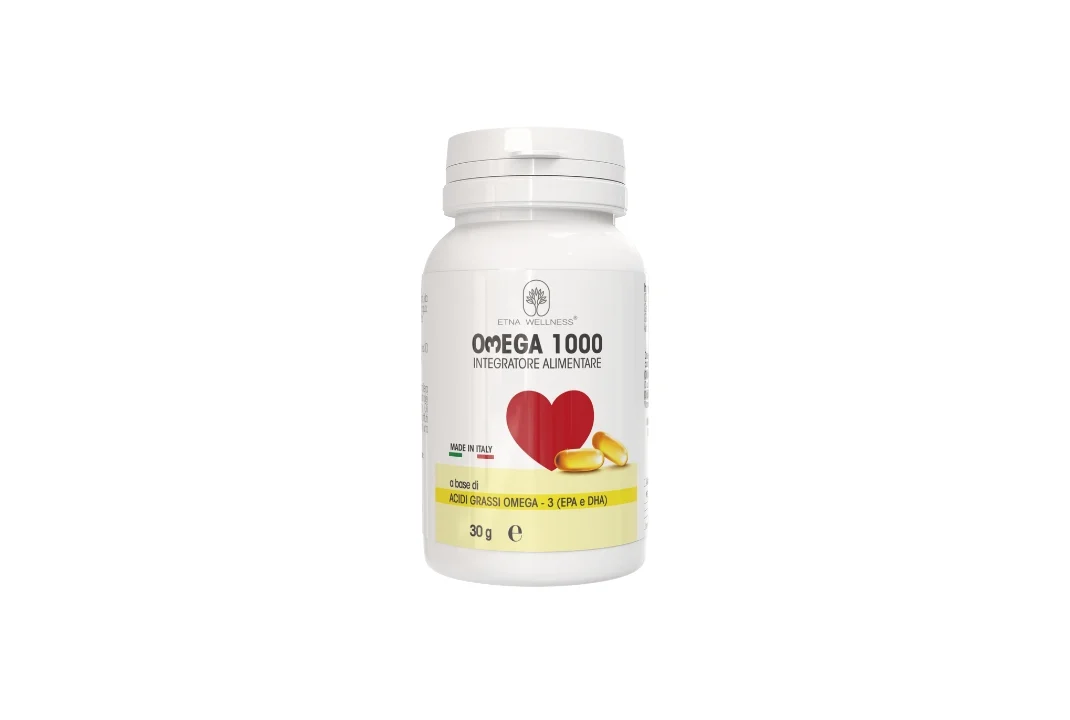
The current Etna Wellness product evidence documents Omega1000 with 1000 mg fish oil providing 350 mg EPA and 250 mg DHA per documented daily amount, for a combined 600 mg EPA+DHA.
This is a useful example of why the front-of-pack oil amount should not be the only number you compare. The meaningful breakdown is 350 mg EPA + 250 mg DHA.
The documented DHA amount also reaches the daily level associated with the authorised DHA claims for normal brain function and normal vision, while the combined EPA+DHA amount exceeds the threshold associated with the authorised normal-heart-function claim, provided the exact current label and claim conditions are respected.
This page does not turn those authorised nutrient claims into disease-prevention or treatment claims.
How this page differs from the broad Omega-3 Supplements guide
This page owns the commercial comparison intent around best omega-3 supplements UK. It is designed to help build a shortlist without producing an artificial ranking.
The broader Omega-3 Supplements: How to Compare EPA, DHA, Dose and Quality page remains the main category explainer and should be used when you want the underlying comparison method in more depth.
The Heart Health Supplements article remains a separate support owner and should not absorb the omega-3 buying intent.
What not to use as your main decision criterion
- largest bottle;
- largest total fish-oil number;
- most capsules in the pack;
- “premium” wording;
- celebrity or influencer endorsement;
- a generic “best overall” badge without transparent criteria.
Picture the label without the brand name
Imagine every brand name disappears and you can see only EPA, DHA, total fish oil, source, capsule count, directions, warnings and price per daily serving.
Would the same product still look strongest for your needs? If yes, the decision is probably based on useful criteria rather than branding.
Compare EPA and DHA before choosing the bottle
If you are still deciding what type of omega-3 support fits your need, start with the needs guide. If you want help comparing current labels, ask for information. If you are ready to inspect Omega1000 or other current Etna Wellness products, create customer access and verify the live product, label, price and availability before ordering.
Ask for help comparing omega-3 labels
Create customer access & check current products
Creating customer access does not place an order. On mobile, scroll down, complete your customer details, enter the official shop, then verify the current product, EPA/DHA values, price and availability before ordering.
Frequently asked questions
What should I look for in the best omega-3 supplement?
Start with EPA and DHA per daily serving, then compare source, capsule count, label transparency, quality information, allergens and routine fit.
Is 1000 mg fish oil the same as 1000 mg omega-3?
No. Total fish oil and EPA+DHA are different figures. Check the label for the actual EPA and DHA amounts.
Is more EPA and DHA always better?
No. Dose should match the intended use, evidence, label directions and individual context. Higher is not automatically better.
Is krill oil better than fish oil?
Not universally. They differ in source, composition, dose and price. Compare the actual EPA+DHA delivered rather than assuming one source is automatically superior.
Is algal omega-3 suitable for vegans?
Algal oils can provide DHA and sometimes EPA without fish-derived oil. The exact source and formulation should still be checked on the current label.
How much EPA and DHA does Omega1000 provide?
Current Etna Wellness product documentation lists 350 mg EPA and 250 mg DHA, for 600 mg combined EPA+DHA in the documented daily amount.
A few useful notes before you choose
Use the current label as the final reference for serving, source, allergens, warnings and authorised claims. If you take medicines, are pregnant or breastfeeding, have a medical condition or are considering higher-dose omega-3 use, seek appropriate professional advice.
Do not use omega-3 supplements as substitutes for diagnosis, medical treatment or a balanced diet.
Sources and verification
- Commission Regulation (EU) No 432/2012 — authorised EPA/DHA and DHA claims and conditions.
- ETNA.COM — Omega-3 Supplements: How to Compare EPA, DHA, Dose and Quality.
- Current Omega1000 technical/catalogue evidence in the ETNA.COM project source set — used for the 1000 mg fish oil, 350 mg EPA and 250 mg DHA formula facts.
Independent distributor notice: this website is operated by an independent Etna Wellness distributor and is not the official corporate website. This guide provides comparison criteria rather than a ranked recommendation, and current product details should be verified from the live label and official shop.