Omega-3 labels can look reassuringly simple — until you try to compare two products. One bottle may highlight “1000 mg fish oil”, another a much larger number, yet neither headline tells you on its own how much EPA and DHA you actually receive.
If you want to make the choice feel clearer, start with the numbers that are genuinely comparable: EPA, DHA and the recommended daily dose. Once you know where to look, the label becomes much easier to read.
If you want a UK-oriented buying framework after understanding EPA and DHA, continue with Best Omega-3 Supplements UK. If your wider question is how omega-3 differs from circulation or antioxidant routes, use the Heart Health Supplements comparison.
The first question: how much EPA and DHA are you actually getting?
Fish-oil milligrams and EPA + DHA milligrams are not automatically the same thing. Two supplements can both show 1000 mg of fish oil while providing very different amounts of the omega-3 fatty acids you are trying to compare.
A practical label check is therefore simple:
- EPA per recommended daily dose;
- DHA per recommended daily dose;
- EPA + DHA combined;
- number of capsules or servings needed each day;
- source of the oil and other listed ingredients;
- current directions and warnings.
Omega1000: a worked example with clear numbers
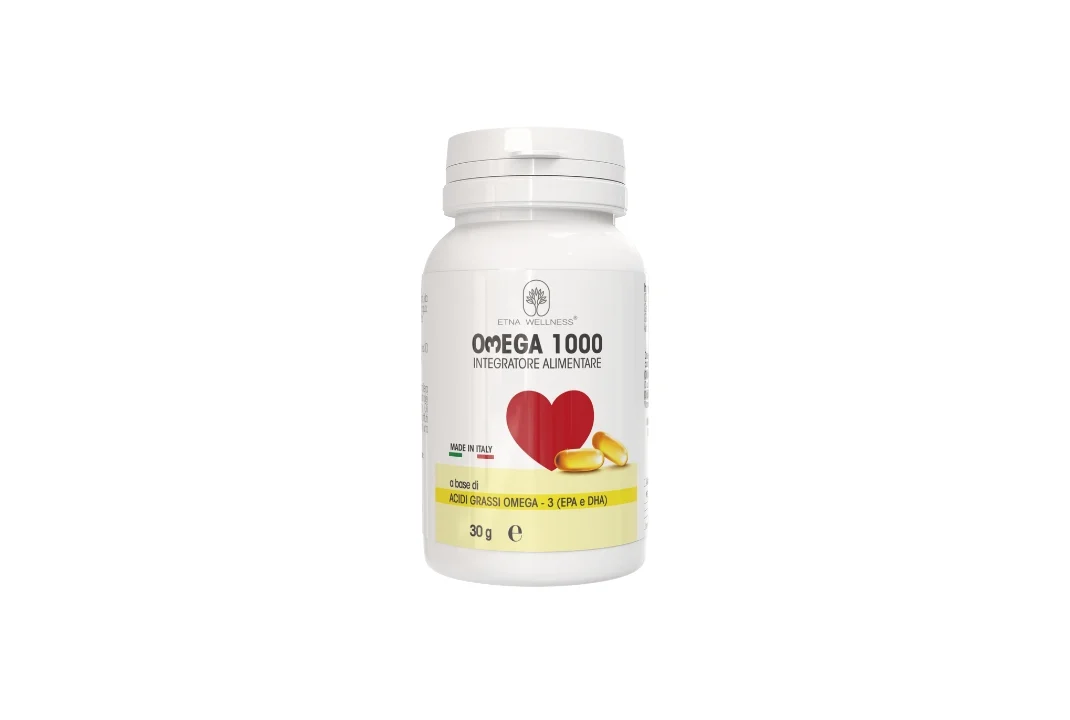
The current official Omega1000 product information checked for this guide states one 1000 mg fish-oil capsule containing 350 mg EPA and 250 mg DHA. That gives 600 mg EPA + DHA combined in the documented daily capsule. The same source also lists vitamin E and a current direction of one capsule per day, away from meals.
The useful point is not that a bigger number is automatically better. It is that the EPA and DHA quantities are visible, so you can understand what the daily dose actually provides rather than judging the product only by the words on the front.
A quick way to read any omega-3 label
Ignore the urge to rank products by the largest headline number. Find EPA, find DHA, check the stated daily serving, then compare like with like.
What the authorised claims actually say
Great Britain’s Nutrition and Health Claims Register sets out the claims that may be used in commercial communications in England, Scotland and Wales. For EPA and DHA, authorised wording includes that they contribute to the normal function of the heart, with the beneficial effect obtained at a daily intake of 250 mg EPA + DHA.
DHA also has authorised normal-function wording for the maintenance of normal brain function and normal vision, with the relevant beneficial effect obtained at 250 mg DHA per day. The detailed claim conditions are reflected in retained legislation and the current GB register.
These are normal-function claims, not promises to prevent or treat disease. UK food-labelling guidance also makes clear that foods and supplements cannot claim or imply that they treat, prevent or cure a disease or medical condition.
Why daily dose matters more than capsule size
A comparison becomes confusing when one product needs one capsule and another needs two or three. That is why the recommended daily intake is more useful than judging a single capsule in isolation.
When you compare products, ask yourself: what do I receive across the full labelled daily dose? That one question usually makes the numbers much easier to interpret.
What else is worth checking?
EPA and DHA are central, but they are not the whole label. It is also useful to look for clear sourcing information, added nutrients, storage instructions, expiry details and any quality statements the manufacturer actually documents.
Do not assume independent certification, a purity standard or a particular sourcing claim unless the exact product documentation supports it. Clear information is more valuable than impressive-sounding assumptions.
Is a higher EPA + DHA number always better?
No. A larger number should not be turned into a universal “stronger is better” rule. The right comparison depends on the labelled use, the person considering the supplement and the current directions and warnings.
If you use medicines, have a medical condition, are pregnant or breastfeeding, have a fish allergy or are unsure whether an omega-3 supplement is appropriate for you, check the current label and speak with an appropriate healthcare professional.
Where this guide fits in the wider supplement comparison
This page is the main omega-3 decision guide. It explains how to compare EPA, DHA and daily dose. The heart-health guide should refer readers back here for omega-3 selection rather than repeat the same comparison.
Want to check the current Omega1000 information?
Once you know what EPA, DHA and the daily serving mean, checking the current product becomes much more straightforward.
- Create your customer access.
- Enter the official Etna Wellness shop.
- Open Omega1000 and review the current label and availability for your country.
- Use the current product information as your final reference.
Ask about the current Omega1000 formula
Create customer access & check Omega1000
Creating customer access does not place an order.
Frequently asked questions
Does 1000 mg fish oil mean 1000 mg EPA and DHA?
No. The current Omega1000 information states 350 mg EPA and 250 mg DHA in the documented daily capsule.
How much EPA + DHA does Omega1000 provide?
The documented daily capsule provides 600 mg EPA + DHA combined.
How is Omega1000 currently used?
The current official product information states one capsule per day, away from meals.
What should I check before comparing omega-3 products?
Check EPA, DHA, the full daily serving, source, ingredients, directions and the current product label.
A few useful notes before you choose
EPA, DHA and the full daily serving are the most useful numbers for a like-for-like comparison. Recheck the exact current label, source, ingredients and directions before purchase, especially if you use medicines, have a medical condition, are pregnant or breastfeeding, or have a fish allergy.
Sources and important information
- Etna Wellness current official Omega1000 product information — formula, serving and use facts checked for this guide in September 2026.
- Department of Health and Social Care — Great Britain Nutrition and Health Claims Register.
- GOV.UK — nutrition, health claims and supplement labelling.
Product formulas, directions, warnings and country availability can change. Recheck the exact current label and official shop immediately before purchase.