Choosing a collagen supplement becomes much easier when you stop asking “which one is best?” and start asking what you actually want the formula to do in your routine. Skin-focused products, mobility-oriented formulas and general collagen powders can all contain collagen, yet differ substantially in source, daily amount, supporting ingredients, allergens and the evidence that is relevant to them.
The useful decision is therefore not “marine or bovine?” in isolation, nor “which tub has the longest ingredient list?”. It is a sequence: identify your priority, understand the form and source, check the daily serving, separate ingredient evidence from finished-product claims, and choose a routine you can realistically maintain.
Quick answer: collagen supplements are not one single product type. The label should tell you the source, form, recommended serving and what else is included. Those details matter more than words such as “premium”, “beauty” or “advanced”.
Start with the outcome you are actually trying to support
People often arrive at collagen from two very different directions. One person is thinking about a beauty routine and wants to compare skin-oriented formulas. Another is thinking about mobility and starts looking at collagen alongside glucosamine, calcium or other joint-oriented ingredients.
For deeper follow-up, see the Aloe Attiva mobility formula guide, the collagen evidence review, and the UK collagen decision framework.
Those are not the same decision. A formula designed around hydrolysed collagen, sodium hyaluronate and vitamin C is structurally different from a formula that combines collagen with glucosamine, calcium and vitamins. The collagen ingredient may overlap, but the reason for choosing the product does not.
If you are still deciding between those two routes, use our collagen for skin vs joints comparison before narrowing the product.
What type of collagen is best? First understand what collagen type means
Collagen is a family of structural proteins rather than one uniform substance. Different tissues contain different collagen types, and supplement labels may refer to type I, II, III or a combination.
That information can help you understand the ingredient, but it does not automatically establish that one finished supplement is “better” than another. Product effect depends on much more than a type number: source, processing, quantity, co-ingredients, population studied and study design all matter.
| Label term | What it tells you | What it does not tell you |
|---|---|---|
| Type I / II / III | Which collagen type is being described. | That the finished product will deliver a guaranteed skin or joint result. |
| Marine / bovine / porcine / chicken | The biological source. | That source alone makes the formula superior. |
| Hydrolysed collagen / collagen peptides | The collagen has been broken into smaller peptides. | That processing alone proves a specific finished-product outcome. |
| With vitamin C, hyaluronate, glucosamine or minerals | The formula includes additional components that may change its role. | That more ingredients automatically create more value. |
Marine vs bovine collagen: use source as a filter, not a verdict
Marine collagen is commonly derived from fish and bovine collagen from cattle. The source can matter for dietary preferences, allergens, ingredient profile and the collagen types typically associated with the material.
What it should not become is a shortcut such as “marine is always for skin” or “bovine is always for joints”. Current consumer guidance and scientific literature do not support treating source alone as a universal ranking system. A more reliable comparison looks at the complete formula and the exact daily serving.
This is also why an allergy or dietary preference can be a decisive criterion even when two products appear similar at first glance.
Can collagen be vegan?
Collagen itself is an animal-derived protein. Products marketed as “vegan collagen” are therefore usually not conventional animal collagen supplements; they may instead provide nutrients or amino-acid-focused formulas positioned around the body’s own collagen synthesis, or use newer biotechnology approaches that need to be evaluated on their own label and evidence.
Do not assume that a plant-based product is nutritionally equivalent to hydrolysed animal collagen simply because the word “collagen” appears in the marketing. Check exactly what the product contains.
Daily amount matters more than the front of the pack
Two collagen products can both say “collagen” on the label while supplying very different quantities per recommended daily serving. That is one reason the serving table deserves more attention than the product name.
A good comparison should answer:
- How many grams of collagen are supplied by the recommended daily amount?
- Is the collagen amount explicitly stated, or only the total powder weight?
- Are co-ingredients quantified?
- Is one scoop the serving, or is the meaningful table based on two scoops?
- How many daily servings are in the pack?
- Does the routine fit how you actually prefer to take supplements?
What does the evidence actually say?
Research on oral collagen is substantial, but it is not a licence to transfer every positive study result to every commercial collagen product.
A 2026 umbrella review that brought together systematic reviews across skin and musculoskeletal outcomes reported favourable pooled findings in several areas. At the same time, a 2026 systematic review focused on hydrolysed collagen and skin found encouraging results for hydration, elasticity and wrinkle-related measures in many trials, while also noting that most included trials had a high risk of bias and that better standardised, longer studies are still needed.
The practical conclusion is balanced: there is evidence worth taking seriously, but product-specific certainty is much lower than marketing language often suggests. Dose, formulation, study population and the exact preparation used in research matter.
This is why we separate evidence about collagen preparations from claims about a specific Etna Wellness formula.
Vitamin C is a useful example of how claims should be read
In the EU, vitamin C has authorised health claims relating to normal collagen formation for the normal function of skin, bones, cartilage, blood vessels, gums and teeth, when the food meets the applicable conditions for use.
That authorised vitamin C wording should not be rewritten as “this collagen product rebuilds skin” or “repairs joints”. The claim belongs to the nutrient under defined conditions; it is not automatic proof of a wider finished-product promise.
How Etna Wellness collagen formulas differ in practice
Etna Wellness currently offers collagen-led formulas that illustrate why category-level comparison matters. They should not be reduced to one ranking.
| Formula | What stands out | When it becomes relevant to compare |
|---|---|---|
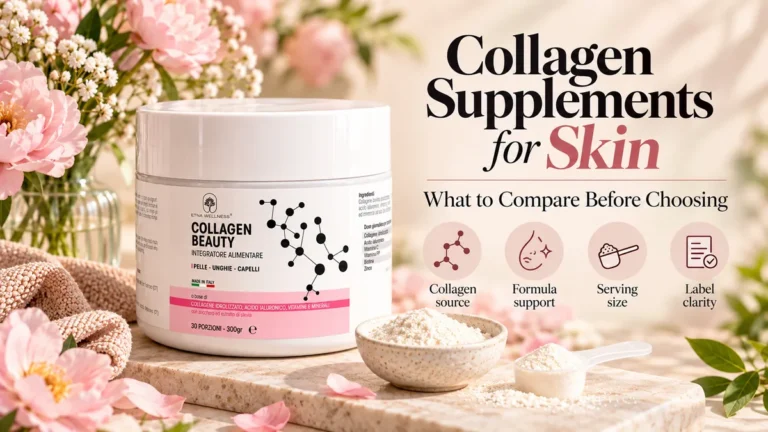
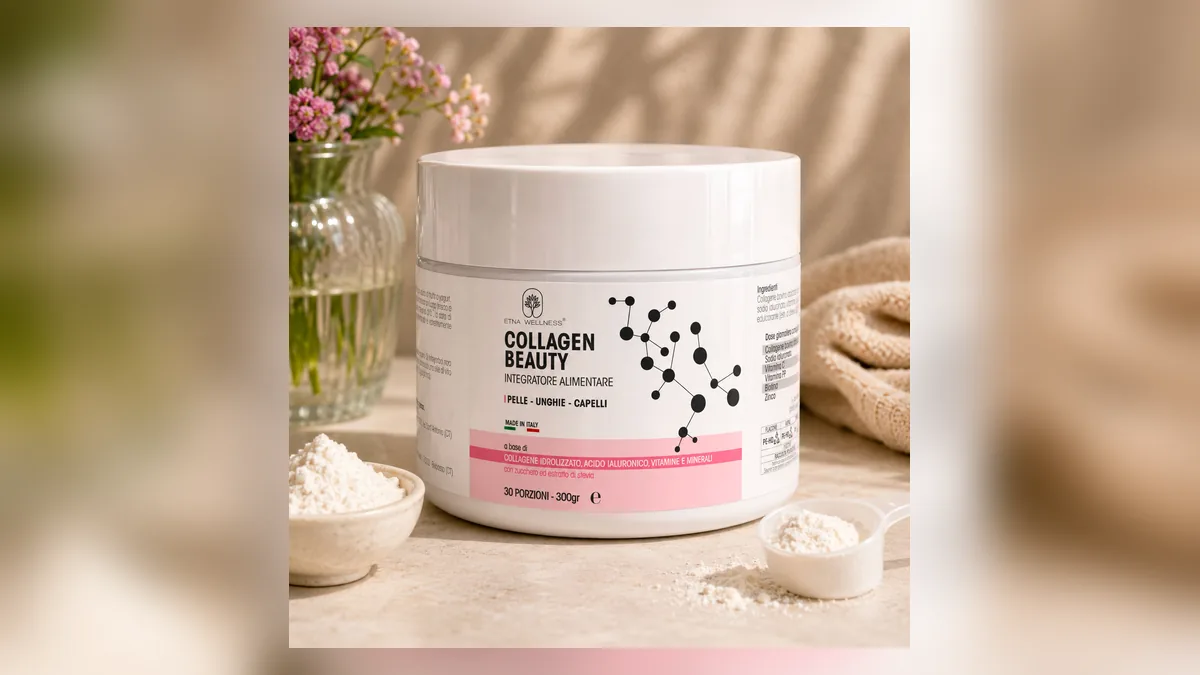
| Collagen Beauty | 10 g daily serving with 7.5 g hydrolysed collagen, 100 mg sodium hyaluronate and 80 mg vitamin C on the supplied technical sheet. | When you want a focused beauty-oriented powder with clearly quantified core ingredients. |
| Collagen Extra Beauty | Broader beauty formula with hydrolysed bovine collagen plus vitamin C, biotin, zinc and a fruit-and-vegetable mix; the supplied label allows 1–2 scoops, up to 10 g daily. | When you are comparing a broader beauty-style formula rather than collagen amount alone. |
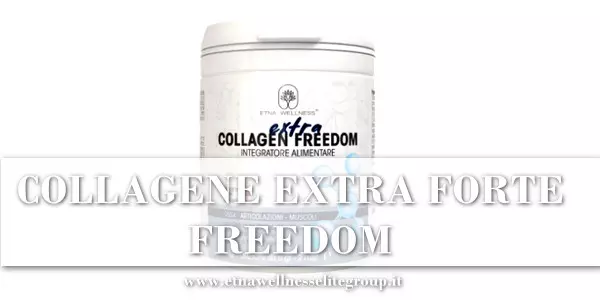
| Collagen Extra Freedom | Mobility-oriented collagen branch. Current Etna Wellness documentation confirms commercial presence, but a complete current quantitative English formula is not available in the source material used for this guide. | When mobility is the real decision context and the supporting formula matters as much as collagen itself. |
For a detailed side-by-side decision, see the skin vs joints collagen guide. For a focused product review, see Collagen Beauty ingredients, dose and evidence. If your priority is broader mobility support, the joint supplement formula guide compares collagen with other formula types.
Do not confuse a bigger formula with a better fit
A long ingredient list can create the impression of greater value, but that only makes sense when the extra ingredients address something you genuinely care about and are present in meaningful, transparent amounts.
If your priority is a simple beauty routine, a focused formula may be easier to understand and maintain. If your priority is mobility, a broader formula may be relevant because the decision itself is broader. The value comes from fit, not from ingredient count.
A practical five-step collagen decision
- Name the priority. Beauty/skin, mobility/joint context, or a more general collagen routine?
- Check the source and form. Marine, bovine or another source; hydrolysed or another clearly described form.
- Read the daily serving. Compare grams of collagen and quantified co-ingredients, not just pack size.
- Check suitability. Allergens, dietary preferences, warnings and any overlap with products you already use.
- Picture the routine. Powder, capsules, liquid, one scoop or two: choose something you can realistically repeat.
Future-pacing check: imagine the product already sitting in your kitchen three weeks from now. Can you see exactly when you would use it, how you would prepare it and why it belongs in your routine? If the answer is unclear, you probably need a better formula match before you need another product.
When a second product may — and may not — make sense
Collagen does not need to be automatically stacked with another supplement. A second product only becomes relevant when there is a separate, clearly recognised need that the collagen formula does not already address.
For example, someone comparing beauty formulas does not automatically need a mobility product. Someone exploring mobility does not automatically need a separate beauty collagen. Building a larger basket without a distinct reason is not a better decision.
Choose by clarity, not by pressure
By this point, you should be able to explain your choice in one sentence: “I prefer this formula because its source, serving, supporting ingredients and routine fit the priority I actually have.”
If you cannot explain the decision that simply, use the needs guide first or ask for help comparing formulas before entering the shop.
Choose the next step that matches how clear your need already is
If you are still deciding what kind of support fits your priority, start with the needs guide. If you already know the route but want help comparing formulas, ask for information. If you are ready to check the current products, create customer access and verify the live details in the official shop.
Ask for help comparing collagen formulas
Create customer access & check current products
Creating customer access does not place an order. On mobile, scroll down, complete your customer details, enter the official shop, then verify the current product, format, price and availability before ordering.
Frequently asked questions
Which type of collagen supplement is best?
There is no universally best collagen type. The useful comparison is between your goal, the collagen source and form, the daily amount, co-ingredients, suitability and the evidence relevant to that formula.
Is marine collagen better than bovine collagen?
Not universally. They differ by source and typical collagen profile, but source alone is not enough to rank a finished supplement. Compare the complete formula and your dietary or allergen requirements.
What does hydrolysed collagen mean?
It means the collagen has been broken down into smaller peptides. That describes ingredient processing; it does not by itself guarantee a specific result from the finished product.
Are vegan collagen supplements real collagen?
Conventional collagen is animal-derived. Products marketed as vegan collagen generally use a different formula concept and should be checked by their actual ingredient list rather than assumed to be equivalent to animal collagen peptides.
Do collagen supplements work?
Research shows promising results in several skin and musculoskeletal outcomes, but study quality, preparation, dose and population vary. Evidence from one collagen preparation should not be treated as proof that every commercial product will produce the same result.
Does more collagen per serving always mean better?
No. Daily amount is an important comparison point, but so are formula purpose, supporting ingredients, tolerability, evidence and routine fit.
Can collagen supplements treat arthritis or repair damaged joints?
No treatment claim should be inferred from a collagen supplement. Persistent pain, swelling, reduced mobility or other concerning symptoms require appropriate healthcare assessment.
A few useful notes before you choose
Use the current product label as the final reference for ingredients, allergens, serving size and warnings. If you are pregnant or breastfeeding, take medicines, have a medical condition or need to avoid a particular animal source or allergen, check suitability with an appropriate healthcare professional before use.
Persistent skin, joint or mobility concerns deserve appropriate assessment rather than being reduced to a supplement-selection question. Food supplements should not replace a varied, balanced diet and a healthy lifestyle.
Sources and verification
- Current Etna Wellness product documentation — primary source for Collagen Beauty and Collagen Extra Beauty formula and serving facts. Collagen Extra Freedom is kept qualitative because a complete current quantitative English formula is not available in the source material used for this guide.
- 2026 umbrella review of collagen supplementation for skin and musculoskeletal health — evidence context across systematic reviews and meta-analyses.
- 2026 systematic review of randomised trials of hydrolysed collagen and skin outcomes — efficacy, safety and risk-of-bias context.
- Commission Regulation (EU) No 432/2012 — authorised EU vitamin C health-claim wording and conditions of use.
Independent distributor notice: this website is operated by an independent Etna Wellness distributor and is not the official corporate website. Product information is provided for general informational purposes and does not replace the current product label or professional medical advice.