The phrase low-calorie protein supplement sounds straightforward, but it can hide several different product types. A small serving can look low in calories simply because the portion is small, while another formula may provide more energy because it includes carbohydrate, fibre or other nutrients.
For the broader category framework, see the protein supplements guide.
The useful question is not “Which powder has the lowest number?” It is how much protein and total nutrition do you receive for the serving you will actually use?
“Low calorie” has a regulatory meaning
In EU nutrition-claim rules, “low energy” is not a casual marketing phrase. Specific energy thresholds apply, and “energy-reduced” requires a meaningful reduction compared with a similar product. That is why this guide uses “low-calorie” primarily as a search and comparison intent rather than automatically applying it as a claim to any specific Etna Wellness product.
Compare energy per serving first
Start with the prepared serving. Note the grams of powder, the liquid used for preparation and the total kilocalories. If one product uses 20 g and another 40 g, comparing only the dry-powder percentage can create the wrong impression.
Water adds no meaningful energy, while milk or other liquids change the prepared total. Keep the preparation method consistent when comparing products.
Then compare protein density
A useful protein-focused comparison looks at both protein grams per serving and the total energy of that serving. A product can be lower in energy but also lower in protein because the portion is smaller.
EU rules also define when foods may use “source of protein” or “high protein” claims. The nutrition panel is therefore more informative than an unsupported front-of-pack phrase.
Low calorie does not mean meal replacement
A protein shake does not become a meal replacement just because it is filling, fortified or relatively low in energy. Meal-replacement products belong to a different regulatory and nutritional context.
Use Protein Shake vs Meal Replacement and Meal Replacement Protein Supplements if meal structure is the real reason for your search.
Check sugars, fat and fibre without reducing the decision to one number
Lower sugar may matter to one person; fibre may matter to another. Fat is not automatically undesirable, and a small difference in sugars can be irrelevant if serving sizes are different. Read the complete nutrition table.
What if you are also searching for low-carb snacks?
Low calorie and low carbohydrate are separate ideas. If your intent is snack comparison, the Low-Carb Snacks guide explains how to compare carbohydrate, sugars, protein and portion size without turning a search phrase into an unsupported product claim.
Why the prepared serving can change the comparison
A powder may look relatively low in energy when the nutrition panel is read for the dry product, but the final drink depends on how it is prepared. Water contributes essentially no energy, while milk and other beverages can materially change the prepared total.
That is why two products should be compared on a consistent basis. Check the stated powder serving, the recommended preparation, the energy of the prepared serving and the amount of protein delivered by that same serving. This avoids rewarding a product simply because its scoop is smaller.
When lower energy should not be your only priority
Choosing the lowest energy value is not automatically the same as choosing the formula that best fits your goal. Someone looking for a convenient protein source, a meal-format product, additional fibre or a more substantial snack may reasonably prioritise different features.
If calorie restriction is part of a medically advised diet, or if appetite, unintended weight loss or another health issue is involved, individual professional advice is more appropriate than selecting a supplement from one nutrition-panel number.
Etna Wellness protein options: keep the roles separate
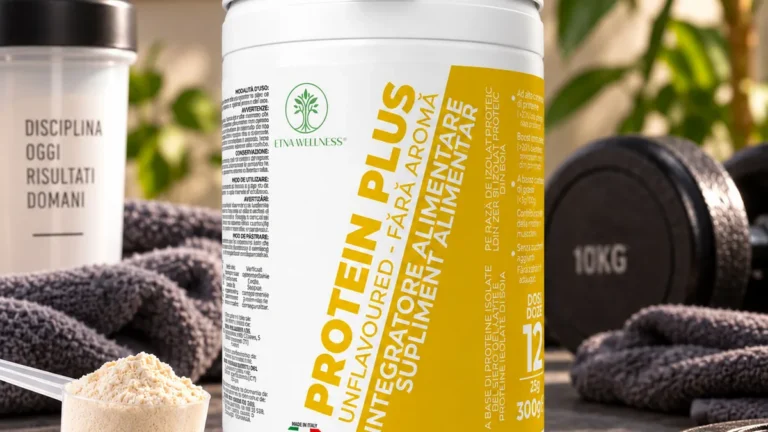
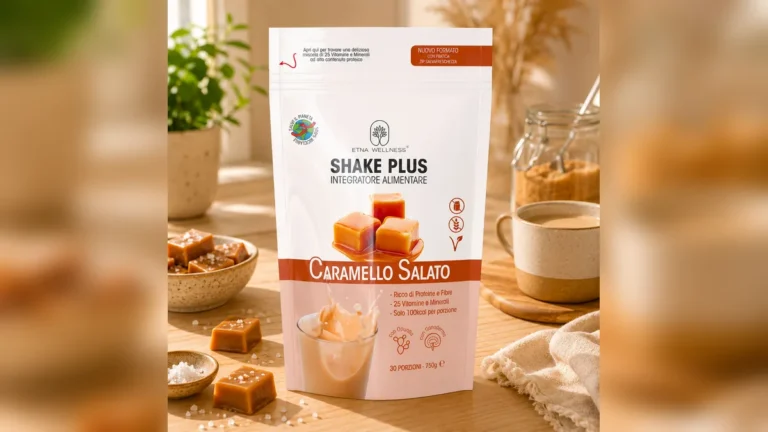
Protein Plus Etna Wellness is a protein-first supplement. Shake Plus belongs to a broader shake and meal-structure context. The exact current variant and nutrition panel should decide whether either one fits a “lower-calorie” comparison.
A practical comparison table
| Check | Why it matters |
|---|---|
| Energy per serving | Shows the amount you actually consume. |
| Protein per serving | Separates protein density from serving size. |
| Carbohydrate and sugars | Helps compare formulas with different roles. |
| Fat and fibre | Adds context that calorie count alone misses. |
| Preparation | Milk or other liquids can change the final energy value. |
| Product role | Protein supplement and meal replacement are not automatic equivalents. |
Ready to compare the right protein format?
Use energy, protein, serving size and preparation together. Then compare only the formulas that fit the role you actually want rather than choosing from one calorie number.
Frequently asked questions
Is the lowest-calorie protein powder always the best choice?
No. It may simply use a smaller serving or provide less protein. Compare the full serving and the role you want the product to play.
Does “low sugar” mean “low calorie”?
No. Total energy comes from the overall macronutrient composition, not sugars alone.
Can a low-calorie protein shake replace a meal?
Not automatically. Check whether the product is specifically formulated and presented for that role rather than inferring it from calorie content.
Sources and verification
Search language such as “low-calorie protein” is not treated here as a claim for any specific product. Always verify the exact current nutrition panel and preparation instructions.