Two products can look almost identical in a shaker and still be designed for very different jobs. That is why choosing between a protein shake and a meal replacement becomes much easier once you stop comparing names and start comparing purpose, label and formulation.
The goal is not to find the product with the loudest promise. It is to understand which role you actually need, then check whether the current product label supports it.
Start with the role, not the word “shake”
A protein-first product is centred on protein contribution. A product used as a meal replacement has a broader role and should be judged by its full nutritional profile, energy contribution, serving instructions and exact labelled use.
For Great Britain, the Department of Health and Social Care explains that meal-replacement products for weight control are treated under general food law and the nutrition and health claims framework. In practical terms, the words “shake” or “meal replacement” are not enough on their own: the exact formulation and current label matter.
If your priority is specifically energy density, use the low-calorie protein supplement guide. If the goal is deliberate weight gain, the protein powder vs mass gainer guide separates protein contribution from a true higher-energy weight-gain formula.
What should you compare?
If you want a choice that feels clearer rather than more complicated, focus on a few concrete points:
- protein amount and source;
- energy per serving;
- carbohydrate and sugars;
- fat and fibre;
- vitamins and minerals;
- serving size and preparation;
- ingredients and allergens;
- the exact intended use shown on the current label.
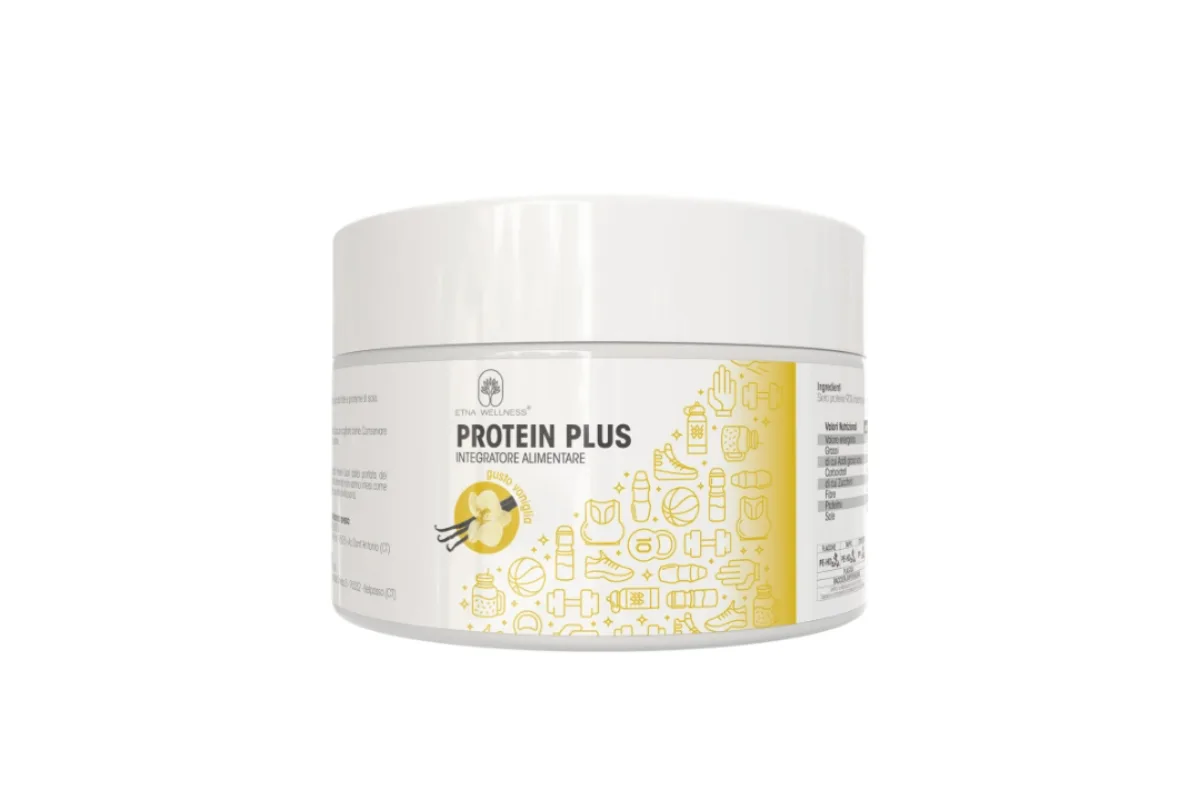
Protein Plus: a protein-first example
For the product-specific breakdown, see Protein Plus Etna Wellness: Ingredients, Protein Content & Use. For the wider category comparison, use Protein Supplements: Types, Uses & How to Choose.
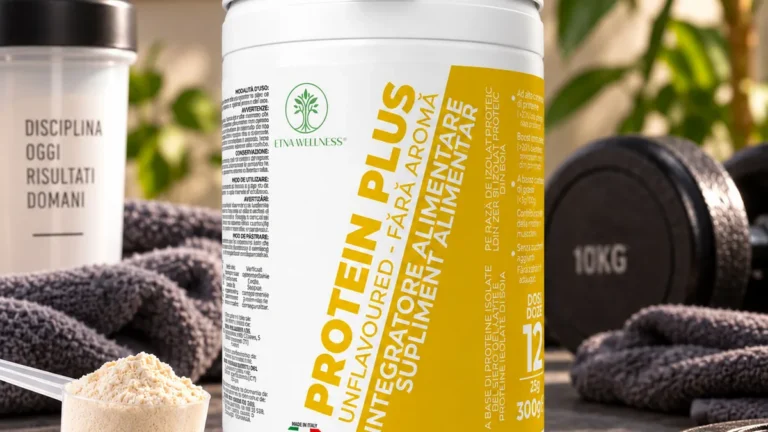
The current official Protein Plus information checked in September 2026 describes a 300 g product with 60% instant whey protein, 32% soy protein isolate and maltodextrin, prepared with 25 g in approximately 200 ml water.
Those are composition and use facts. They are useful because they help you understand the product without turning the formula into promises it does not automatically prove. For that reason, this article deliberately leaves out broader recovery, body-composition and performance claims that are not directly supported by the current product evidence.
Shake Plus answers a different question
If you are comparing the specific boundary between protein supplements and meal-replacement-style formulas, the meal replacement protein supplements guide goes deeper into that decision.
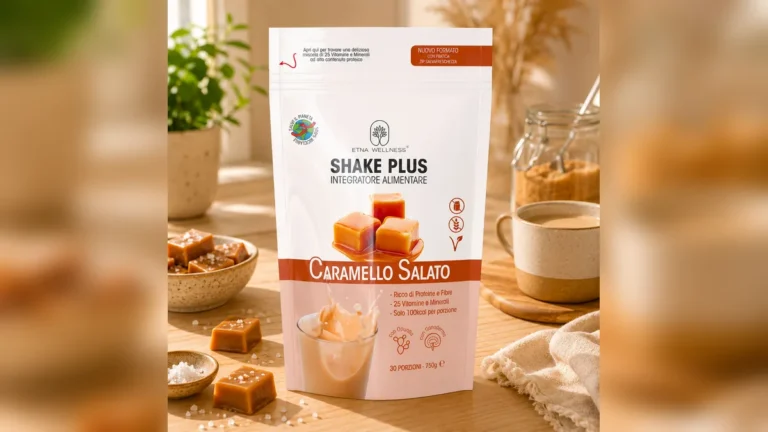
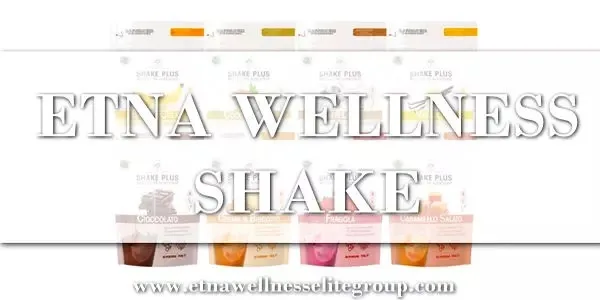
Shake Plus has its own dedicated English product guide. If your decision is about Shake Plus flavours, preparation or exact variants, that guide is the right place to go deeper.
A simple way to see the difference
| Question | Protein-first product | Meal-replacement use |
|---|---|---|
| Main role | Protein contribution | A defined meal-replacement role only where the current label supports it |
| What to check | Protein source, serving, ingredients and allergens | Full nutritional profile, energy, serving instructions and intended use |
| Etna example | Protein Plus | Only an exact product or variant whose current label supports that role |
Low Sugar and Low Carb are separate choices
Shake Plus Low Sugar and Shake Plus Low Carb remain distinct variant decisions inside the Shake Plus family. Neither phrase should be used as a shortcut for deciding whether a product is a meal replacement.
If your question is broader than Shake Plus variants and you want to compare snack labels by carbohydrate, sugars, protein and portion size, continue with the Low-Carb Snacks UK guide.
What this comparison does not promise
This guide does not classify every shake as a meal replacement. It does not present Protein Plus as a treatment, a weight-loss product or a guaranteed body-composition solution. Its job is simpler: help you understand the role first, so the final product choice is more informed.
Ready to compare the current products?
Once you know whether your priority is protein-first or a different product role, you can check the exact current options without guessing.
- Use the Shake Plus guide if you are comparing Shake Plus variants.
- Check Protein Plus if your decision is protein-first.
- Create customer access to verify the current label, price and availability for your country.
- Only treat a product as a meal replacement when its current label supports that role.
Ask about the current shake options
Create customer access & compare current products
Creating customer access does not place an order.
Frequently asked questions
Is a protein shake the same as a meal replacement?
No. The exact role, nutritional profile, instructions and current label determine how a product should be used.
Is Protein Plus a meal replacement?
This guide does not classify it as one. Current official information presents Protein Plus as a protein supplement, so it is used here as a protein-first example.
What does the current Protein Plus formula contain?
The current official product information states 60% instant whey protein, 32% soy protein isolate and maltodextrin.
How is Protein Plus currently prepared?
The current official product information states 25 g mixed with approximately 200 ml of water.
Is every Shake Plus variant a meal replacement?
No. Check the exact current variant label and intended use.
A few useful notes before you choose
Use the current label to decide the role of each product. A protein-first supplement and a meal-replacement product should not be treated as interchangeable simply because both can be prepared as a shake.
Sources and important information
- Current official Protein Plus product information, checked September 2026 — formula, pack size and preparation.
- UK Department of Health and Social Care, Nutrition legislation information sheet — Great Britain regulatory framework.
Product formulas, prices and country availability can change and should be verified again immediately before purchase.