If you search for protein supplements for weight gain, the results often mix ordinary protein powders with mass gainers, meal shakes and high-energy products. Those are not the same thing.
A protein powder can add protein without providing a large amount of energy. A mass gainer usually increases total energy much more deliberately. Understanding that difference is more useful than assuming “more protein” automatically means “more weight gain”.
Weight gain requires more than a protein label
Body weight changes when overall energy intake and expenditure change over time. Protein can be part of a balanced eating pattern, but an ordinary protein supplement is not automatically designed to create the higher energy intake associated with weight gain.
The NHS recommends a gradual approach to healthy weight gain, using a balanced diet and additional energy rather than relying on sugary foods or drinks. Unintentional or sudden weight loss should be medically assessed.
Protein powder and mass gainer: the core difference
| Feature | Protein-focused powder | Mass-gainer style product |
|---|---|---|
| Main emphasis | Protein provision | Higher total energy plus protein |
| Carbohydrate | Can be modest | Often much higher |
| Serving size | Often smaller | Often substantially larger |
| Best comparison | Protein grams, source, ingredients | Total energy, protein, carbohydrate, serving practicality |
Check total energy per prepared serving
Do not judge from dry-powder weight alone. Compare the complete serving, including the recommended amount of powder and the preparation liquid. A product mixed with water may have a very different energy total from the same powder mixed with milk.
Check protein, carbohydrate and serving size together
For weight-gain intent, protein is only one part of the picture. A much larger serving with more carbohydrate may supply considerably more energy than a concentrated protein powder. That does not make it universally better; it makes it a different format.
When an ordinary protein supplement may not match the search intent
If your real goal is simply to add protein to the day, the broad Protein Supplements guide is the better starting point. If you are comparing meal structure, use Protein Shake vs Meal Replacement.
Preparation can change the energy gap
A mass-gainer comparison should use the prepared serving, not just the powder in isolation. The amount of powder, the recommended liquid and any additional ingredients can change total energy substantially. A large serving mixed with milk can sit in a very different nutritional range from a smaller protein serving mixed with water.
For that reason, compare kilocalories, protein, carbohydrate, fat and serving size on the same prepared basis. This also makes it easier to see whether a formula is genuinely designed as a high-energy product or is simply an ordinary protein powder used in a larger serving.
Healthy weight gain is a whole-diet question
A supplement can make food intake more convenient, but it does not replace the wider pattern. The NHS guidance on healthy weight gain emphasises gradual increases in energy intake alongside balanced meals and snacks rather than relying on high-sugar choices.
If body weight is falling without an obvious reason, or if swallowing, appetite, digestion or another health issue is making it difficult to maintain weight, that changes the decision completely. In those situations, the priority is appropriate medical or dietetic assessment rather than selecting a higher-calorie powder independently.
Where Protein Plus fits
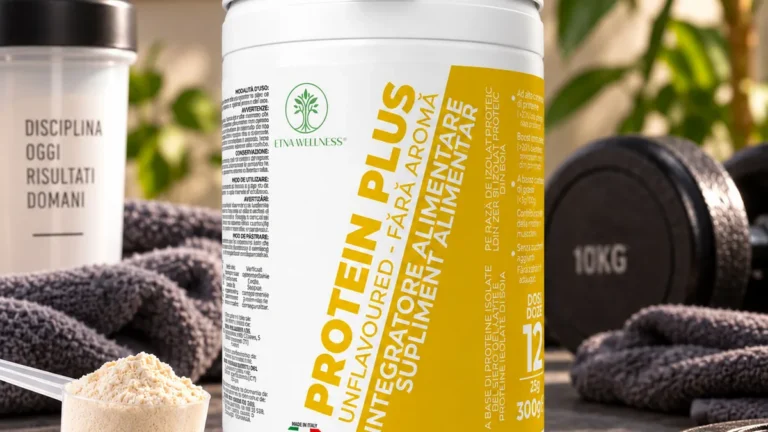
Protein Plus Etna Wellness is presented as a protein-first supplement, not as a dedicated mass gainer. Its value should therefore be judged by its protein content, serving size and formula rather than by implying that it is designed to produce weight gain.
Safety and context matter
If you have lost weight unexpectedly, have difficulty maintaining weight, have a medical condition affecting appetite or absorption, or are considering a major dietary change, professional assessment is more appropriate than treating a supplement as the solution.
Weight-gain comparison checklist
- Total energy per prepared serving
- Protein grams and source
- Carbohydrate and sugars
- Fat and fibre
- Recommended serving size
- Number of servings per pack
- Allergens and dietary suitability
- Whether the product is genuinely a mass gainer, a protein supplement or a different type of shake
Before you choose a weight-gain product
Decide whether you actually need a protein-first supplement, a higher-energy mass-gainer format or professional support for the wider diet. That distinction makes the next product comparison much clearer.
Frequently asked questions
Will protein powder automatically make me gain weight?
No. A protein powder contributes energy and protein, but body-weight change depends on the wider dietary and energy context.
Is a mass gainer the same as a protein supplement?
No. Mass gainers are generally designed around a much higher energy serving, often with considerably more carbohydrate.
Should unexplained weight loss be handled with supplements?
No. The NHS advises seeking medical advice for sudden or unexplained weight loss.
Sources and verification
This article provides general comparison information and does not provide a personalised weight-gain diet or medical treatment plan.