Searching for protein supplements for vegetarians can quickly blur several different questions together. Vegetarian does not automatically mean vegan, plant-based does not automatically mean complete for every use, and a product that contains whey or milk protein may still fit many vegetarian diets while being unsuitable for someone avoiding dairy.
The useful comparison starts with the label: what is the protein source, how much protein is provided per serving, what else is in the formula, and does the product actually match your dietary boundaries?
Vegetarian protein is a broader category than vegan protein
A vegetarian diet may include dairy products and eggs depending on the individual pattern. That means whey, casein, milk proteins, egg protein, soy, pea and other plant proteins can all appear in products marketed to vegetarian consumers. The word “vegetarian” therefore does not tell you enough about allergens, lactose, vegan suitability or the exact protein source.
The NHS notes that vegetarian diets can obtain protein from beans, pulses, eggs, dairy foods and alternatives such as tofu, mycoprotein, textured vegetable protein and tempeh. Supplements can add convenience, but they do not replace the need for a varied diet.
Start with the protein source
When you compare a powder or ready-to-mix formula, identify whether the protein comes from whey, milk, soy, pea, rice, egg or a blend. This matters for dietary preference, allergens, texture and the rest of the ingredient list.
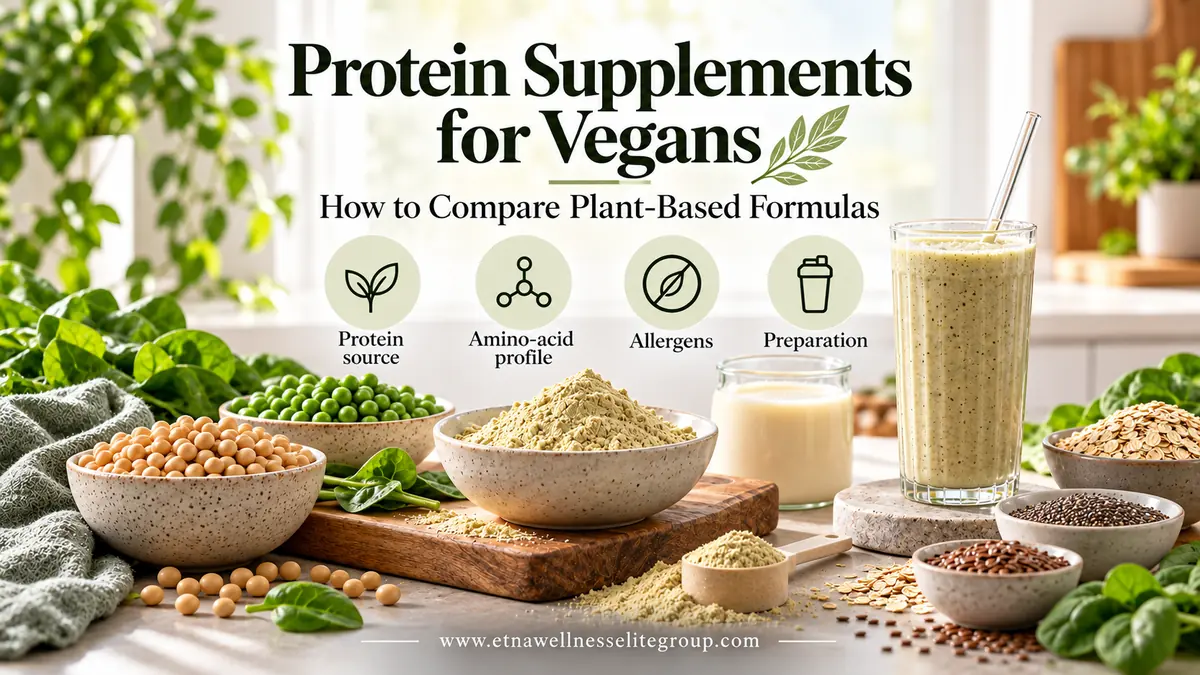
If dairy is acceptable to you, a whey-based product can still be vegetarian. If you avoid all animal-derived ingredients, use a vegan-specific comparison instead of assuming “vegetarian” means plant-only.
Compare protein per serving, not just the front label
The useful number is the amount of protein in the serving you are actually expected to prepare. A large percentage on the front of the pack may refer to the dry powder rather than the prepared serving. Compare serving size, protein grams, total energy, carbohydrate, sugars and fat together.
Under EU nutrition-claim rules, “source of protein” and “high protein” have defined conditions. A marketing phrase should therefore be checked against the nutrition information rather than treated as a free-form promise.
Protein-first supplement or broader shake?
A protein supplement can be designed mainly to add protein, while another shake may include fibre, vitamins, minerals, carbohydrate or other ingredients for a broader nutritional role. Those products should not be treated as interchangeable simply because both contain protein.
For that distinction, see Protein Shake vs Meal Replacement and the broader Protein Supplements: Types, Uses & How to Choose guide.
Check allergens and dietary details explicitly
- Milk and whey may matter if you avoid dairy or have a milk allergy.
- Soy is another common allergen and may be used alone or in a blend.
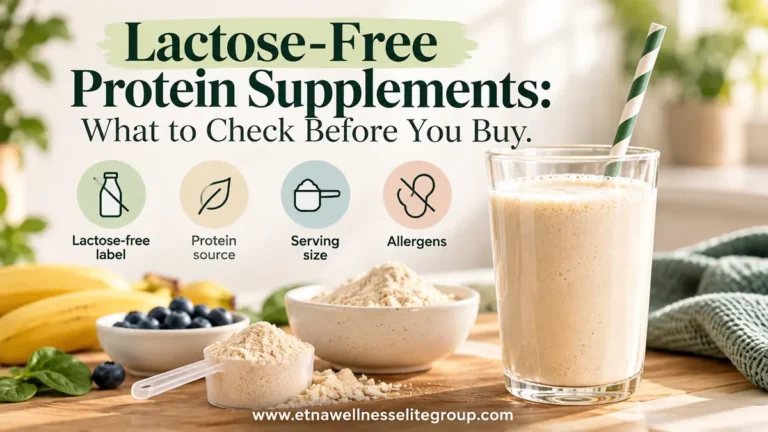
- “Lactose-free” should be verified from the current label rather than inferred from the protein type.
- Flavourings, sweeteners and added ingredients can change between variants.
If lactose is the deciding factor, use the dedicated Lactose-Free Protein Supplements guide.
What about amino acids?
Different protein sources have different amino-acid profiles. That does not mean a plant protein is automatically inferior or that every user needs an isolated amino-acid score. A practical consumer comparison should first establish the total protein amount, source or blend, serving pattern and how the product fits the rest of the diet.
Vegetarian, vegan and lactose-free are three different checks
These labels answer different questions. Vegetarian may still allow dairy or egg ingredients depending on the individual diet. Vegan excludes animal-derived ingredients. Lactose-free describes lactose status, not whether the protein source is animal- or plant-derived.
A whey product can therefore be vegetarian for many consumers while being neither vegan nor necessarily lactose-free. A soy or pea formula can be plant-based, but that still does not tell you the serving size, protein amount, sweeteners, allergens or whether every processing aid fits your dietary preferences.
For a reliable decision, treat each dietary term as a separate label check rather than assuming one automatically proves the others.
How Etna Wellness formulas fit this comparison
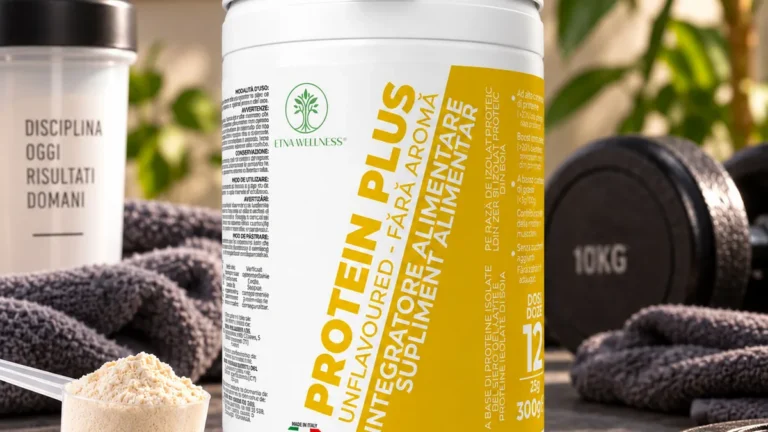
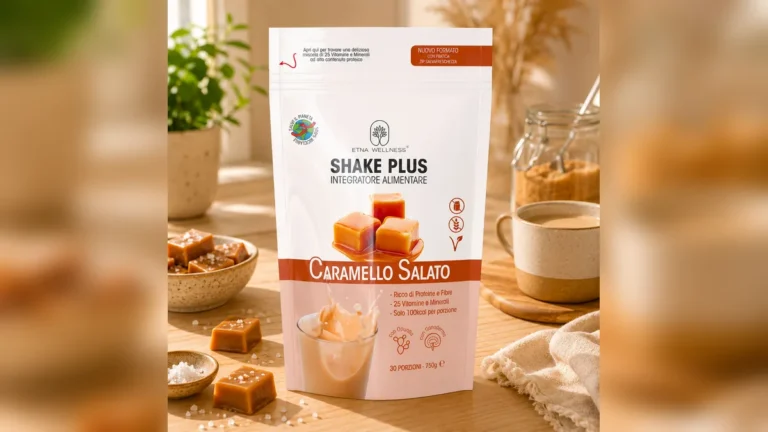
Etna Wellness has separate protein and shake formats, so the product name alone should not decide the role. Protein Plus is a protein-first formula with whey and soy protein, while Shake Plus belongs to a different meal-structure and shake context. Check the current formula and allergens for the exact variant you are considering.
A quick way to compare vegetarian protein labels
| Check | Why it matters |
|---|---|
| Protein source | Shows whether the formula is based on dairy, soy, egg or another source and whether that fits your vegetarian pattern. |
| Protein per serving | Lets you compare what the declared serving actually provides rather than relying on front-of-pack wording. |
| Allergens | Milk, soy, egg and other allergens need an explicit label check. |
| Dietary wording | Vegetarian, vegan and lactose-free answer different questions and should not be treated as interchangeable. |
| Product role | Separates a protein-first supplement from a broader shake or meal-format product. |
A simple vegetarian protein checklist
- Does the protein source fit your version of a vegetarian diet?
- How many grams of protein are provided per prepared serving?
- What are the energy, carbohydrate, sugar and fat values?
- Are milk, soy, egg or other allergens present?
- Are you choosing a protein-first supplement or a broader shake?
- Does the current label support every dietary claim being made?
Ready to narrow the protein choice?
Once you have separated protein source, dietary fit, allergens and product role, the next step is to compare only the formulas that genuinely match those requirements.
Frequently asked questions
Can vegetarians use whey protein?
Many lacto-vegetarians use dairy-derived whey protein. Whether it fits your diet depends on your own vegetarian pattern and the complete ingredient list.
Is vegetarian protein the same as vegan protein?
No. Vegetarian products may contain dairy or egg ingredients. Vegan products exclude animal-derived ingredients and should be verified from the current label.
Do I need a protein supplement on a vegetarian diet?
Not automatically. Vegetarian diets can provide protein through ordinary foods. A supplement is mainly a convenience tool when it fits an individual dietary pattern.
Sources and verification
This article is general information, not personalised dietary or medical advice. Check the current product label, allergens and suitability for your own dietary requirements.