If you are looking at joint supplements, the hardest part is often not finding products — it is understanding which formula family actually matches what you mean by “joint support”. Collagen, glucosamine/MSM, calcium/vitamin D and multi-ingredient liquid formulas can all sit in the same mobility conversation, yet they answer different questions.
The most useful decision is therefore not “which joint supplement has the biggest ingredient list?”. It is which formula route makes the most sense for the need you are trying to support.
Start with the route: collagen, glucosamine/MSM, bone/mineral support and broader multi-ingredient formulas should be compared as different strategies, not as interchangeable versions of the same product.

Why “joint supplement” is too broad to choose from directly
The phrase “joint supplement” can make several very different formulas look comparable when they are not.
A collagen-led product may focus on a protein-based structural ingredient. A glucosamine/MSM product follows a different formulation logic. Calcium and vitamin D belong more clearly to bone/mineral support. A broader liquid formula may combine several ingredient classes in one routine.
Once those routes are separated, the product choice becomes much easier to understand.
Four formula families worth separating
| Formula family | What gives it value | Etna Wellness route |
|---|---|---|
| Glucosamine / MSM | A focused mobility formula built around a familiar ingredient family. | ArtFort. |
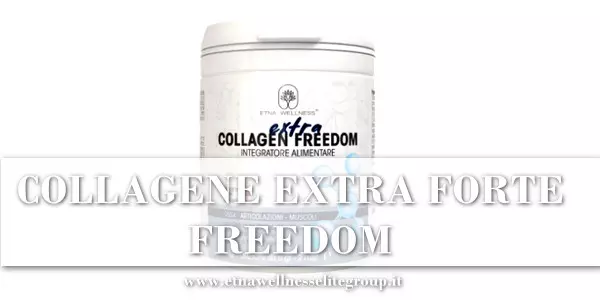
| Collagen-led | A collagen-first route where source, daily amount and co-nutrients matter. | Collagen Extra Freedom. |
| Bone / mineral-led | A calcium and vitamin D route that should remain distinct from joint-comfort formulas. | CalciumD3. |
| Liquid multi-ingredient | A broader routine combining several ingredient categories in one drinkable format. | Aloe Attiva. |
ArtFort: when the need points to the glucosamine/MSM route
ArtFort belongs in the glucosamine/MSM family. That makes it useful when the reader specifically wants to compare that style of formula rather than collagen or bone-mineral support.
Current product materials available for ArtFort do not provide one sufficiently consistent daily-serving figure for this guide to publish as definitive. For that reason, this comparison keeps ArtFort qualitative rather than presenting an exact dose or exact daily ingredient quantities that may be outdated or conflicting.
That keeps the comparison useful without creating false precision: the formula family can still be understood even when a current quantitative figure should be verified on the latest label.
Collagen Extra Freedom: a different decision because collagen is the lead
If your main interest is collagen within a mobility-oriented formula, the decision belongs in a different lane. The type II collagen guide explains why collagen form and preparation matter, while the general collagen supplements guide provides the wider category framework.
The useful comparison becomes: collagen source, daily amount, co-nutrients and whether the product is designed around a mobility-oriented routine rather than beauty positioning.
This is why the separate Collagen for Skin vs Joints guide matters. It keeps beauty-focused collagen and mobility-focused collagen as separate decisions instead of mixing the two intents.
CalciumD3: when the real need is bone and mineral support
Calcium and vitamin D are often placed near joint products, but they belong to a more specific bone/mineral route.
That difference matters because a calcium/vitamin D product should be evaluated by exact nutrient quantities and authorised nutrient-claim conditions, not by borrowing the language of glucosamine, collagen or general joint comfort.
If the real need is bone/mineral support, keeping this route separate actually makes the choice more precise.
Aloe Attiva: when a broader liquid formula creates a different kind of value
Aloe Attiva is the clearest example of why format and formula architecture matter.
The current product sheet supplied for this project describes a formula with 40% Aloe Vera gel, plus glucosamine sulphate, chondroitin sulphate, MSM, hydrolysed collagen, vitamin C and vitamin E.
The daily amount is 40 ml, diluted in water or juice. The current sheet also quantifies, per 40 ml serving, 450 mg glucosamine sulphate, 450 mg chondroitin sulphate and 200 mg MSM, while collagen is present but not quantified on the sheet.
That gives Aloe Attiva a different value proposition from a single-family capsule product: it is a broader, drinkable formula. Whether that broader architecture is more useful depends on whether you actually want those additional layers.
Why a broader formula is not automatically a better formula
A multi-ingredient product can feel more complete because it combines several components in one routine. But complexity only adds useful value when those extra ingredients correspond to the reason you are buying.
If you want a focused glucosamine/MSM route, a broader Aloe-based formula may be more than you need. If you deliberately want a wider formula in liquid form, the additional ingredients may make the product feel more coherent.
The decision should therefore move from “which formula contains more?” to “which formula contains what I actually want?”
How ethical upselling should work in mobility
The wrong approach is to turn mobility into ArtFort + collagen + CalciumD3 + Aloe Attiva automatically.
The better approach is to identify the dominant need first. A second product only adds value when it answers a separate need that can be explained clearly.
For example, a collagen-focused route and a separate bone/mineral concern are two different reasons. If both are genuinely relevant, comparing both may make sense. If not, more products simply create more complexity.
Picture the routine after the first week
Imagine using the product after the novelty has passed. Would capsules be easier than a drink? Would a 40 ml liquid routine fit naturally into your day? Do you prefer a focused formula or one broader product containing several ingredient classes?
These practical questions increase perceived value because they move the decision away from the ingredient list and into real life.
A six-question mobility fit check
- What formula family am I actually looking for?
- Is my need joint/mobility, collagen-specific or bone/mineral-led?
- Do I want capsules or a liquid routine?
- Are the exact daily quantities confirmed by the current label?
- Does a broader formula add a real second layer of value for me?
- Can I see myself following the routine consistently?
Once those answers are clear, the product comparison becomes much more useful.
Choose the formula family before you choose the product
If you are still deciding whether the right route is glucosamine/MSM, collagen, bone/mineral support or a broader liquid formula, start from the needs guide. If the route is already clear, ask for help comparing the current formulas. Then create customer access and verify the current product, format, price and availability before deciding whether to order.
Ask for help comparing mobility formulas
Create customer access & check current formulas
Creating customer access does not place an order. On mobile, scroll down on the registration page, complete your customer details, enter the shop and verify the current product, formula, format, price and availability before ordering.
Frequently asked questions
Are collagen and glucosamine supplements the same thing?
No. They belong to different formula families and should be compared by different criteria.
Why is the exact ArtFort dose not listed?
Because the currently available product materials do not provide one sufficiently consistent daily-serving figure. Check the latest label or current technical sheet before relying on an exact dose.
Is CalciumD3 a joint supplement?
It sits near the mobility category, but its primary logic is bone/mineral support rather than the same role as glucosamine or collagen formulas.
What makes Aloe Attiva different?
It is a liquid multi-ingredient formula combining Aloe Vera with glucosamine, chondroitin, MSM, collagen and vitamins, using a 40 ml daily serving according to the current sheet.
Should several mobility products automatically be combined?
No. A combination only makes sense when each product answers a distinct need.
Bottom line
The useful joint-supplement decision is not “which product contains the most ingredients?” but “which formula family matches the role I actually want?” Separate glucosamine/MSM, collagen, bone/mineral support and multi-ingredient liquids, then compare the exact current label within that route.
A few useful notes before you choose
Mobility products are often marketed with strong language, so a reassuring way to compare them is to stay close to the current formula and avoid turning ingredient presence into promises about pain relief, cartilage repair or treatment of arthritis.
For Great Britain, nutrient-related commercial claims should remain within the authorised nutrition and health claims framework and only be used when the exact product meets the relevant conditions.
Aloe Attiva contains glucosamine sulphate from crustaceans according to the current product sheet, so that detail is worth checking if shellfish-related allergies are relevant to you. The same sheet also suggests checking suitability with a healthcare professional if you have an existing condition or use ongoing medication.
As a simple final check, follow the current label for the exact product you choose. If regular medicines, allergies, pregnancy or an existing condition are relevant to you, a suitability check with an appropriate healthcare professional can add confidence.
Sources and verification
Product comparisons in this guide are limited to information supported by current Etna Wellness documentation available for each formula. ArtFort is kept qualitative where current serving information is not sufficiently consistent; Collagen Extra Freedom is treated as a collagen/mobility formula; CalciumD3 as a bone/mineral formula; and Aloe Attiva facts use the current supplied product sheet, including 40% Aloe Vera, 40 ml/day, 450 mg glucosamine sulphate, 450 mg chondroitin sulphate and 200 mg MSM per daily serving. No arthritis-treatment, cartilage-regeneration or pain-relief claim is adopted.