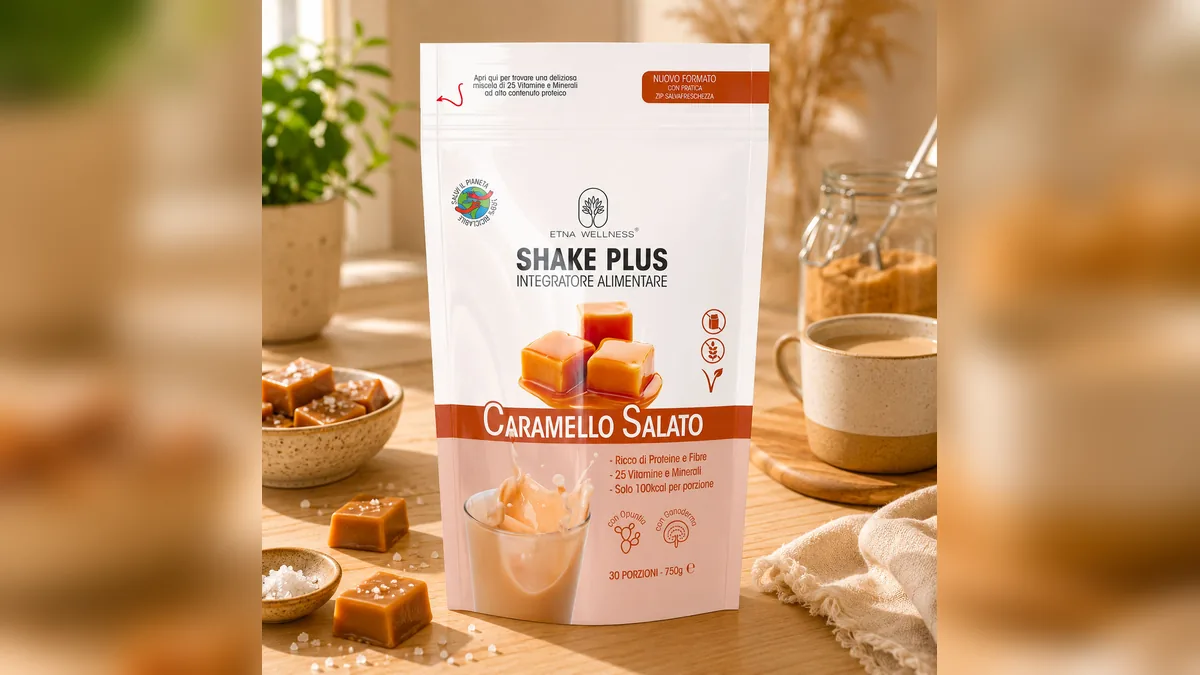
“Meal replacement protein supplements” sounds like one product category, but it often mixes two different nutritional roles. A protein supplement is primarily designed to add protein. A meal replacement for weight control is a more tightly defined food category with broader nutritional conditions.
That difference matters because a shake can look filling, contain vitamins and minerals, or be used at breakfast without automatically qualifying as a meal replacement.
Quick answer: if you are comparing meal replacement protein supplements, first separate protein-first products, fortified shakes and products explicitly labelled for meal replacement. Then compare the exact serving, energy, protein, fibre, micronutrients, preparation and labelled use.

The phrase “meal replacement protein supplement” can hide three different roles
| Role | Main purpose | What to verify |
|---|---|---|
| Protein supplement | Add a measurable protein serving. | Protein source, grams per serving, energy, sugars, fat and allergens. |
| Fortified shake | Provide protein plus fibre, vitamins, minerals or other nutrients in a convenient drink. | Whole nutrition profile, preparation, micronutrients and exact labelled use. |
| Meal replacement for weight control | Replace a meal within the regulated conditions for that claim. | Exact legal/label status, energy range, protein share, fats, vitamins and minerals. |
What changes when a product moves from “protein shake” to “meal replacement”?
The change is not mainly the flavour, scoop size or shaker. It is the nutritional job the product is permitted and formulated to perform.
A protein-first product may legitimately provide a large amount of protein while containing very little fibre or relatively few micronutrients. A meal replacement needs a broader nutritional architecture because it is intended to stand in for a meal rather than simply add protein to the diet.
Protein amount is important, but it is not enough
People often compare shakes by asking which one has the most protein. That is useful only when the goal is protein intake.
For a meal-replacement decision, you also need to look at:
- total energy per prepared serving;
- the percentage of energy supplied by protein;
- fat and essential fatty acid requirements where applicable;
- fibre;
- vitamin and mineral composition;
- the exact preparation instructions;
- the claim and label wording used in the target market.
Why the prepared serving matters
A powder label may show nutrition per 25 g of powder, but the product can be prepared with water, milk, a soy drink or another beverage.
That changes the finished drink. If a product is mixed with milk, the final calories, protein, carbohydrate and fat will not be the same as the powder values alone.
So when comparing meal-replacement-style products, use the prepared serving wherever the legal or nutritional role depends on it.
EU rules make “meal replacement for weight control” a defined claim
Within the EU nutrition-and-health-claims framework, authorised meal-replacement claims are subject to compositional conditions. Among other requirements, the prepared meal must fit a defined energy range and meet specified conditions for protein, fat, essential fatty acids, vitamins and minerals.
That means a low-calorie protein shake does not automatically become a meal replacement simply because it is convenient or filling.
What changes in Great Britain?
Great Britain uses its own retained/assimilated food-law framework. The practical principle remains the same for consumers: do not infer a regulated meal-replacement role from marketing language alone.
Check the current GB label and current authorised claim conditions applicable to the exact product and market.
Protein-first products: when they make more sense
A protein-first supplement can be the cleaner choice when the real need is simply to add protein to an otherwise adequate diet.
This may fit someone who already eats complete meals but wants a measurable protein serving after training, between meals or at another convenient time.
In that situation, a broader meal-style formula may add ingredients or calories that are not necessary for the actual goal.
Fortified shakes: where they sit in the middle
A fortified shake can combine protein with fibre, vitamins and minerals and may be positioned for breakfast or snack use.
That can make it more practical than a protein-only powder for some routines, but it still does not establish a regulated meal-replacement status unless the current label and formula support that role.
How Protein Plus fits this distinction
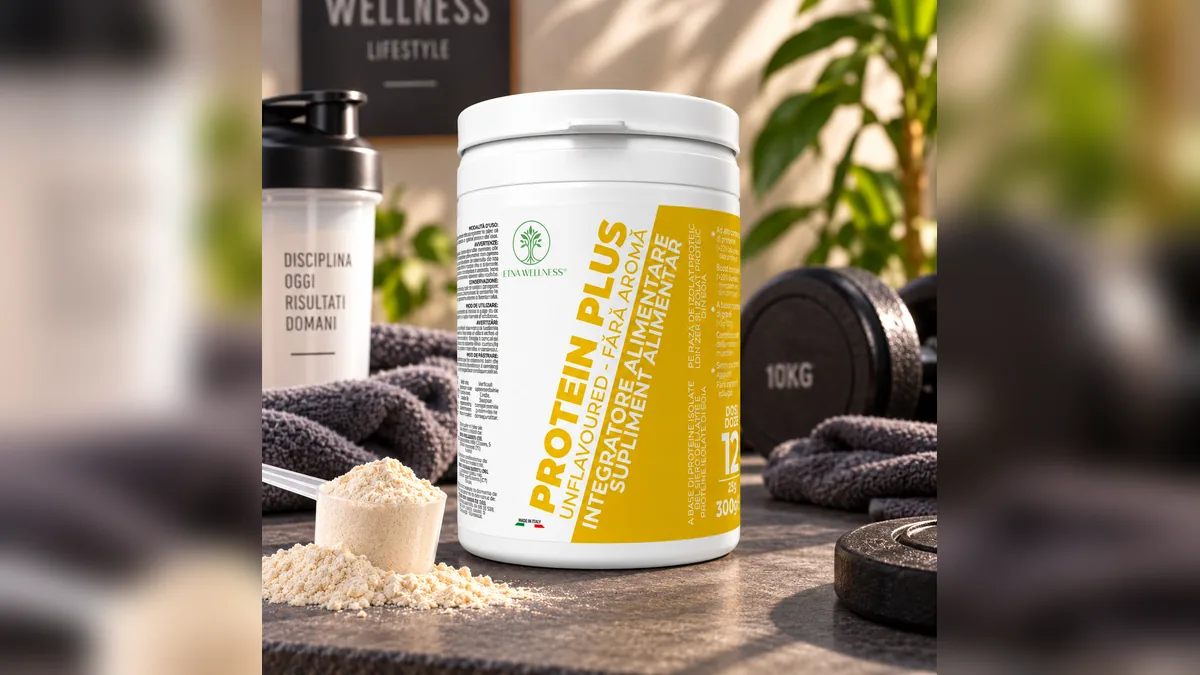
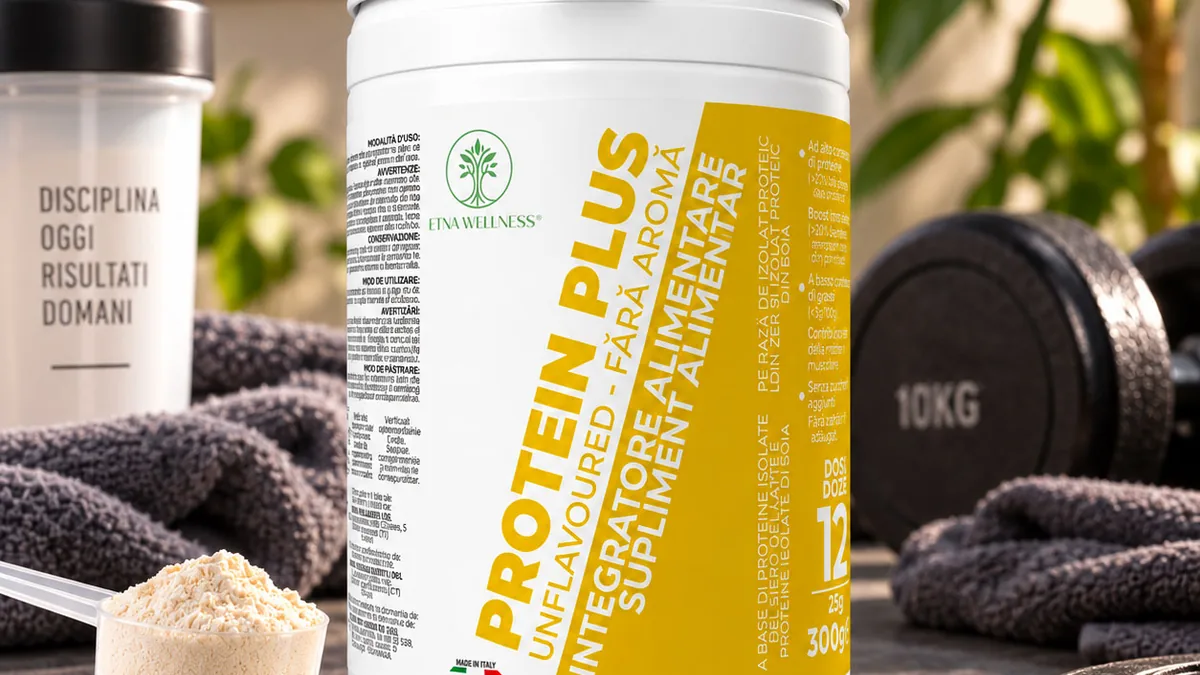
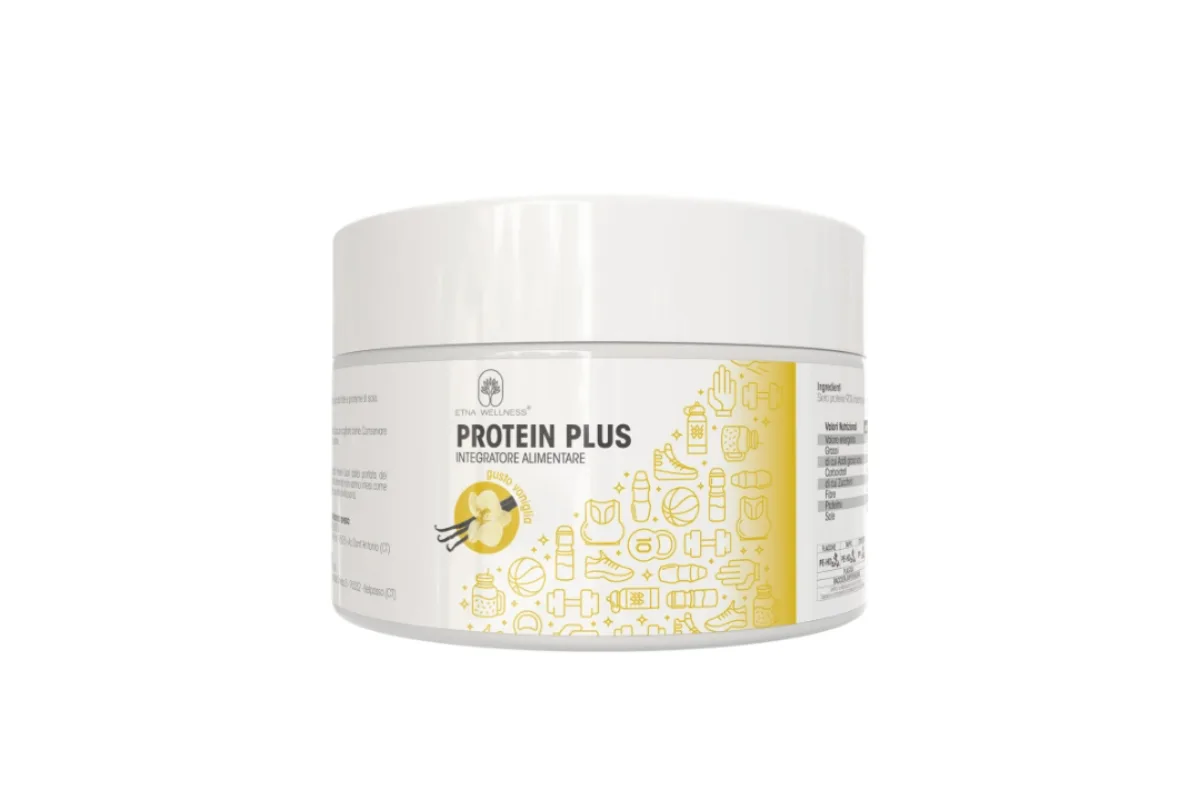
The current Protein Plus technical sheet describes it as a protein food supplement. One 25 g serving provides 20.04 g protein and 130 kcal, with 60% instant whey protein, 32% isolated soy protein and maltodextrin.
Its role is therefore clear: it is a concentrated protein-first formula. The current source does not establish it as a meal replacement.
For the dedicated product owner, see Protein Plus Etna Wellness: Ingredients, Protein Content & Use.
How Shake Plus standard fits
For the dedicated product owner, see Shake Plus Etna Wellness.
The current standard Shake Plus English label describes it as a food supplement based on soy protein, fibre, vitamins and minerals.
Per 25 g powder serving, the current label declares approximately 100 kcal, 9 g protein, 4.5 g fibre, 8.5 g carbohydrate and 5.75 g sugars.
It is a broader fortified shake than Protein Plus, but the current product label does not by itself establish the regulated “meal replacement for weight control” role.
How Shake Plus Low Sugar changes the comparison
Shake Plus Low Sugar is a different formula. Per 25 g serving, the supplied label declares approximately 85 kcal, 13.1 g protein, 3.65 g fibre, 2.11 g carbohydrate and 0.32 g sugars.
Its ingredient profile also differs, with isolated pea protein prominent in the formula.
The practical lesson is that even two products in the same family can have different protein, fibre, sugar and energy profiles. Compare the exact variant, not only the family name.
Why “meal supplement” is not automatically “meal replacement”
One supplied English Shake Plus artwork uses the phrase “meal supplement”. That wording should not be silently upgraded into the regulated claim “meal replacement for weight control”.
These phrases may sound similar to a shopper, but they are not interchangeable from an evidence and compliance perspective.
What should a proper meal replacement comparison include?
- Exact product role on the current label.
- Prepared serving energy.
- Protein amount and percentage of energy.
- Fat and essential-fatty-acid conditions where relevant.
- Vitamin and mineral profile.
- Fibre and sugars.
- Preparation instructions.
- Allergens and suitability.
- Target-market claim rules.
Meal replacement vs protein supplement: a practical decision tree
| If your need is… | Start by comparing… |
|---|---|
| Add protein | Protein-first products such as Protein Plus. |
| Create a practical breakfast or snack | Fortified shakes such as the current Shake Plus variants. |
| Replace a meal for weight control | Only products whose current market label and composition explicitly support that regulated role. |
How this page differs from the Protein Shake vs Meal Replacement guide
This page owns the commercial/category intent around meal replacement protein supplements: what the category means, which formula elements change and how to shortlist products.
The existing Protein Shake vs Meal Replacement: What Actually Changes? page remains the protected comparison owner for the direct “protein shake vs meal replacement” question.
For the wider protein category, use Protein Supplements: Types, Uses & How to Choose.
Do not use “low sugar” as a shortcut for “meal replacement”
Low sugar is a nutritional characteristic. Meal replacement is a broader regulated role.
A product can be low in sugar and still not qualify as a meal replacement. Likewise, a meal replacement is not defined by being low sugar alone.
Do not use “high protein” as a shortcut either
High protein tells you something important about composition, but a complete meal-replacement decision still requires the wider formula and claim conditions.
This is why the product with the highest protein number can be the wrong comparison if your actual goal is a structured meal replacement.
Picture the routine before deciding
Imagine the product already sitting in your kitchen. Are you using it because lunch is unavailable, because breakfast is rushed, because you want to add protein after exercise, or because you are following a structured weight-control plan?
Those are different situations. The more precisely you identify the moment you are trying to solve, the easier it becomes to choose the right product role.
Choose the nutritional role before the product
If you are still deciding between protein-first, fortified-shake and meal-replacement routes, start with the needs guide. If you want help interpreting a current label, ask for information. If you are ready to inspect current Etna Wellness products, create customer access and verify the live label, format, price and availability before ordering.
Ask for help comparing current labels
Create customer access & check current products
Creating customer access does not place an order. On mobile, scroll down, complete your customer details, enter the official shop, then verify the current product, label role, format, price and availability before ordering.
Frequently asked questions
Are protein supplements and meal replacements the same thing?
No. A protein supplement is primarily designed to add protein. A meal replacement for weight control has a broader defined nutritional role and must meet specific applicable conditions.
Can a protein shake replace a meal?
Not automatically. A protein shake may be convenient and nutritionally useful, but the exact current label must establish whether it is intended and formulated for a regulated meal-replacement role.
Is Shake Plus a meal replacement?
The current standard English label describes Shake Plus as a food supplement used at breakfast or as a snack. That does not by itself establish the regulated “meal replacement for weight control” status.
Is Protein Plus a meal replacement?
No meal-replacement status is established by the current Protein Plus technical source. It is a protein-first food supplement.
Does low sugar mean a product is suitable as a meal replacement?
No. Low sugar is one compositional characteristic. Meal-replacement status depends on a much broader set of nutritional and labelling conditions.
Which is better: a protein supplement or a meal replacement?
Neither is universally better. The right role depends on whether you are adding protein, creating a practical snack/breakfast, or replacing a meal within a structured plan.
A few useful notes before you choose
Always use the current label and target-market rules as the final reference for product role, preparation, allergens and warnings. Do not infer “meal replacement” from the words “shake”, “high protein”, “low sugar”, “breakfast” or “meal supplement” alone.
If you have a medical condition, follow a medically prescribed diet, are pregnant or breastfeeding, or are planning a substantial change to energy intake, seek appropriate professional advice.
Sources and verification
- Commission Regulation (EU) No 432/2012 — authorised EU health claims and conditions, including meal-replacement claims.
- ETNA.COM — Protein Shake vs Meal Replacement — protected comparison owner.
- ETNA.COM — Protein Supplements: Types, Uses & How to Choose — broader protein category owner.
- Current supplied Protein Plus technical sheet and current Shake Plus standard / Low Sugar English labels — primary sources for formula and serving facts.
Independent distributor notice: this website is operated by an independent Etna Wellness distributor and is not the official corporate website. Product information is provided for general informational purposes and current labels and market-specific rules should be verified before purchase.