“Heart health” sounds like one category, but it can hide several very different needs. One person may be comparing EPA and DHA. Another may be thinking about heavy legs and microcirculation. Someone else may be drawn to antioxidant or metabolic formulas because they appear in the same wider wellness conversation.
The most useful decision is not to build the biggest “heart stack”. It is to understand which route actually matches the need you are trying to address.
Start with the role, not the number of products: EPA/DHA, leg-comfort circulation, metabolic support and antioxidant formulas belong to different decision paths. The clearer the path, the easier it becomes to see which product adds real value and which one would simply add complexity.

Why “heart health” is too broad to choose from directly
When several products sit near the same wellness theme, it is easy to assume they are interchangeable or should be taken together. That can make the decision feel more complete, but it can also blur important differences.
A more useful framework is to separate four questions:
| Need route | What you are really comparing | Primary Etna Wellness bridge |
|---|---|---|
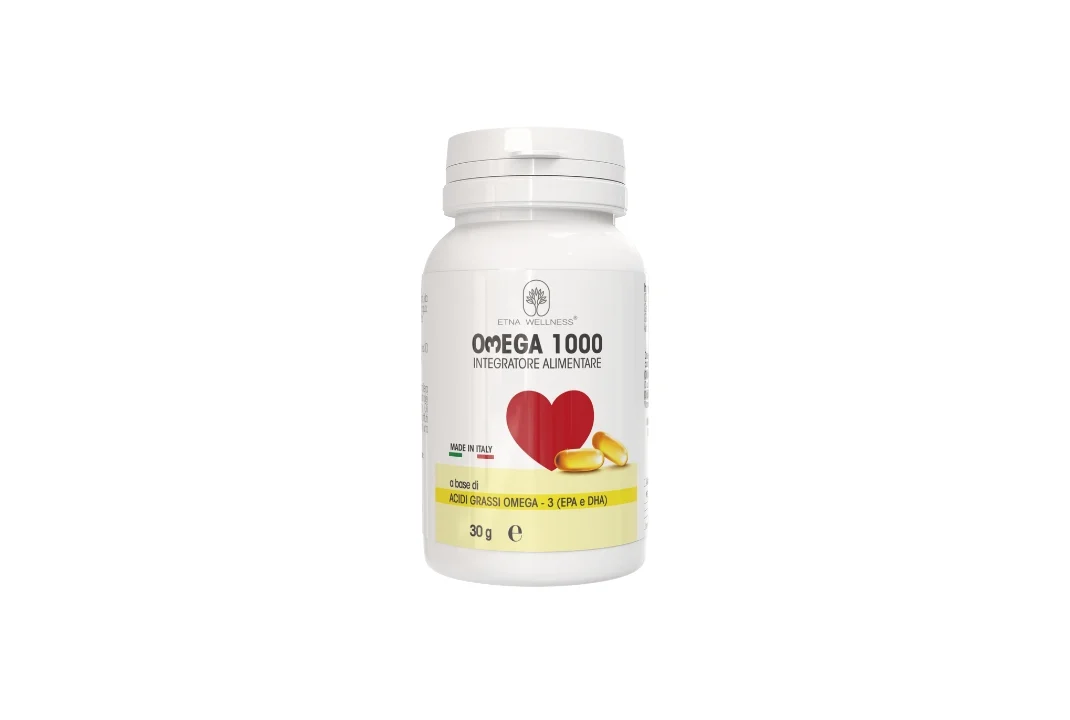
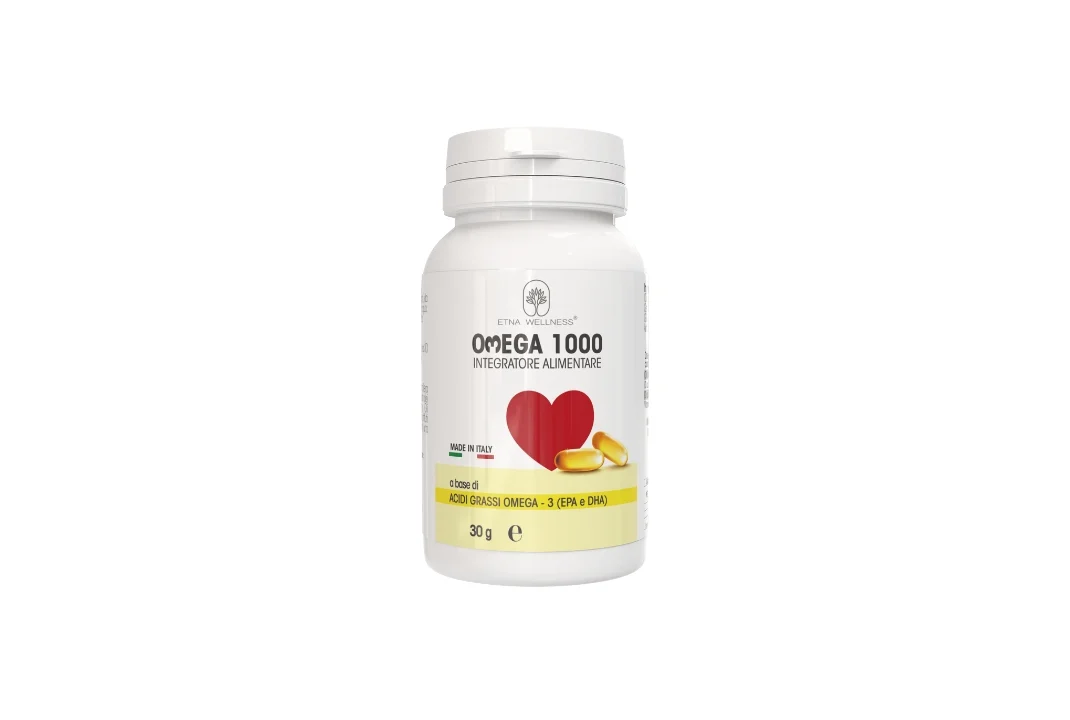
| EPA / DHA | Omega-3 dose, EPA/DHA amounts, quality and daily serving. | Omega1000. |
| Heavy legs / microcirculation-style need | Leg-comfort route, not a generic “heart supplement”. | Venixin200. |
| Metabolic / broader wellness route | A separate formula role that should not borrow Omega-3 claims. | Olèo only where its exact role is relevant and current evidence is closed. |
| Antioxidant route | Formula composition and authorised nutrient claims rather than a direct cardiovascular promise. | OxyPlus as a separate antioxidant branch. |
Omega-3 is the clearest evidence-led starting point
Within this broader category, Omega-3 is the most straightforward route because the decision can be anchored to exact EPA and DHA amounts and to authorised nutrient-claim conditions.
The current Omega1000 evidence used in this project documents a daily capsule providing 350 mg EPA and 250 mg DHA.
That makes the value proposition easier to understand: instead of choosing a vague “heart formula”, you can compare exact fatty-acid amounts, serving size and label quality.
For a dedicated EPA/DHA comparison, use Omega-3 Supplements: How to Compare EPA, DHA, Dose and Quality. If you want a broader UK buying framework, see Best Omega-3 Supplements UK. This heart-health guide stays focused on separating formula roles rather than repeating the full Omega-3 decision.
When a circulation-style need is actually a leg-comfort decision
If the real issue you are thinking about is the feeling of heavy legs, standing for long periods or a microcirculation-style wellness routine, that should not be merged into the same decision as Omega-3.
The current Venixin200 product evidence places it in a more specific leg-comfort route built around bilberry, grape-seed extract, French maritime pine bark extract and vitamin C, with 2 capsules per day.
That is a different formula logic. Its value comes from being targeted to a separate need, not from being “another heart product”.
Why antioxidant formulas should remain their own branch
Antioxidant products can appear naturally in heart-health searches because oxidative-stress language is often used in wellness marketing. But a product containing antioxidant nutrients should not automatically be turned into a direct promise about heart disease, blood pressure or cholesterol.
For OxyPlus, the useful comparison is the formula itself and any authorised nutrient-level claims once the exact current English evidence is closed. Until then, it belongs as a secondary branch rather than the centre of the heart-health decision.
Why more products can reduce clarity instead of increasing value
It is tempting to think that Omega-3 + circulation + antioxidant + metabolic support must be a “complete” solution. That is exactly where ethical upselling matters.
A second product should only enter when there is a second, clearly separate need. A third product should require a third clear reason.
If you cannot explain the extra product in one simple sentence, it is probably adding complexity faster than it is adding value.
How ethical upselling works in the heart-health category
The strongest route is usually the one with the clearest reason:
- Need = EPA/DHA comparison → stay with the Omega-3 route.
- Need = heavy-leg comfort → use the Heavy Legs route.
- Need = antioxidant formula comparison → evaluate that formula separately.
- Need = genuinely more than one of these → only then consider whether a second product adds a distinct layer of value.
This keeps the decision persuasive because every product has a reason to exist. Nothing is added just to make the basket larger.
Picture the routine before you choose
Imagine the products already part of your week. Would one Omega-3 capsule cover the exact role you care about? Are you also dealing with a separate heavy-leg need? Would another formula actually solve a second problem, or would it simply make the routine feel busier?
Future pacing helps because it moves the decision away from the shelf and into real life. The formula with the highest value is the one whose role remains clear after the marketing language disappears.
A five-question fit check
- What am I actually trying to support? EPA/DHA intake, leg comfort, antioxidant intake or something else?
- Is there a dedicated article for that exact route?
- Do I understand the exact serving and main ingredients?
- Does a second product answer a genuinely separate need?
- Can I see the routine staying simple enough to follow?
When those answers are clear, the choice usually feels calmer, more relevant and easier to trust.
Choose the route first, then the exact product
If you are still deciding whether the need is Omega-3, leg comfort, antioxidant support or another route, start from the wider needs guide. If the route is already clear, use the dedicated comparison or ask for help checking the current formula before deciding whether to order.
Ask for help comparing the routes
Create customer access & check current products
Creating customer access does not place an order. On mobile, scroll down on the registration page, complete your customer details, enter the shop and verify the current product, formula, format, price and availability before ordering.
Frequently asked questions
Is this the main Omega-3 guide?
No. Use the dedicated Omega-3 Supplements guide for the full EPA/DHA comparison.
Should Omega-3 and Venixin200 automatically be taken together?
No. They sit in different routes. A combination only makes sense when both needs are genuinely relevant.
Does an antioxidant supplement automatically support heart health?
No. Antioxidant formula facts and authorised nutrient claims should be kept separate from direct cardiovascular outcome claims.
Is a bigger supplement stack more complete?
Not automatically. More products only add useful value when each one answers a distinct need.
Bottom line
The most useful heart-health supplement decision is not the biggest combination. It is the clearest route. Use Omega-3 for EPA/DHA comparison, keep heavy-leg support separate, treat antioxidant formulas as their own branch and only combine products when there is a genuinely separate reason to do so.
A few useful notes before you choose
Heart-health searches can naturally feel more serious than many other supplement categories, so it helps to keep the product decision simple and proportionate. If you are comparing products as part of an everyday wellness routine, the framework above is designed to help you separate the roles without creating unnecessary concern.
Commercial supplement communication in Great Britain should remain within the authorised nutrition and health claims framework. In practical terms, that means normal-function nutrient claims can be used where their conditions are met, while products should not be presented as treating or preventing cardiovascular disease.
If you are dealing with a new or concerning symptom rather than simply comparing wellness products, the right next step may be professional assessment before a supplement decision. This is simply a useful context check so that the product choice stays in the right place.
As a final confidence check, follow the current label for the exact product you choose. If regular medicines, pregnancy, an existing condition or other relevant factors apply to you, checking suitability with an appropriate healthcare professional can add confidence.
Sources and verification
This guide uses current product information to keep Omega1000 in the EPA/DHA route, Venixin200 in the heavy-leg route, and OxyPlus and Olèo as separate formula branches without transferring unsupported heart claims between them. No blood-pressure, cholesterol, cardiovascular-disease treatment or prevention claim is made.